
M House
Architecture: WIERMAN.studio
Interiors: Theodora Kalamatianou; WIERMAN.studio
Landscaping: WIERMAN.studio
Detailed design: Eleanna Grammatopoulou; WIERMAN.studio
Lighting Technician: Anna Turra
Structural Engineering: Georgios Strongylis
MEP Engineering: Emmanouil Karras
Engineering: Ioannis Emm. Meligaris
Location: Fournoi – Greece
Year: 2021
Built Area: 150m² built area, 1000m² of land.
Status: Built
Phases: Preliminary study, detailed design, interior design, detailing and construction supervision.
Architecture: WIERMAN.studio
Interiors: Theodora Kalamatianou; WIERMAN.studio
Landscaping: WIERMAN.studio
Detailed design: Eleanna Grammatopoulou; WIERMAN.studio
Lighting Technician: Anna Turra
Structural Engineering: Georgios Strongylis
MEP Engineering: Emmanouil Karras
Engineering: Ioannis Emm. Meligaris
Location: Fournoi – Greece
Year: 2021
Built Area: 150m² built area, 1000m² of land.
Status: Built
Phases: Preliminary study, detailed design, interior design, detailing and construction supervision.
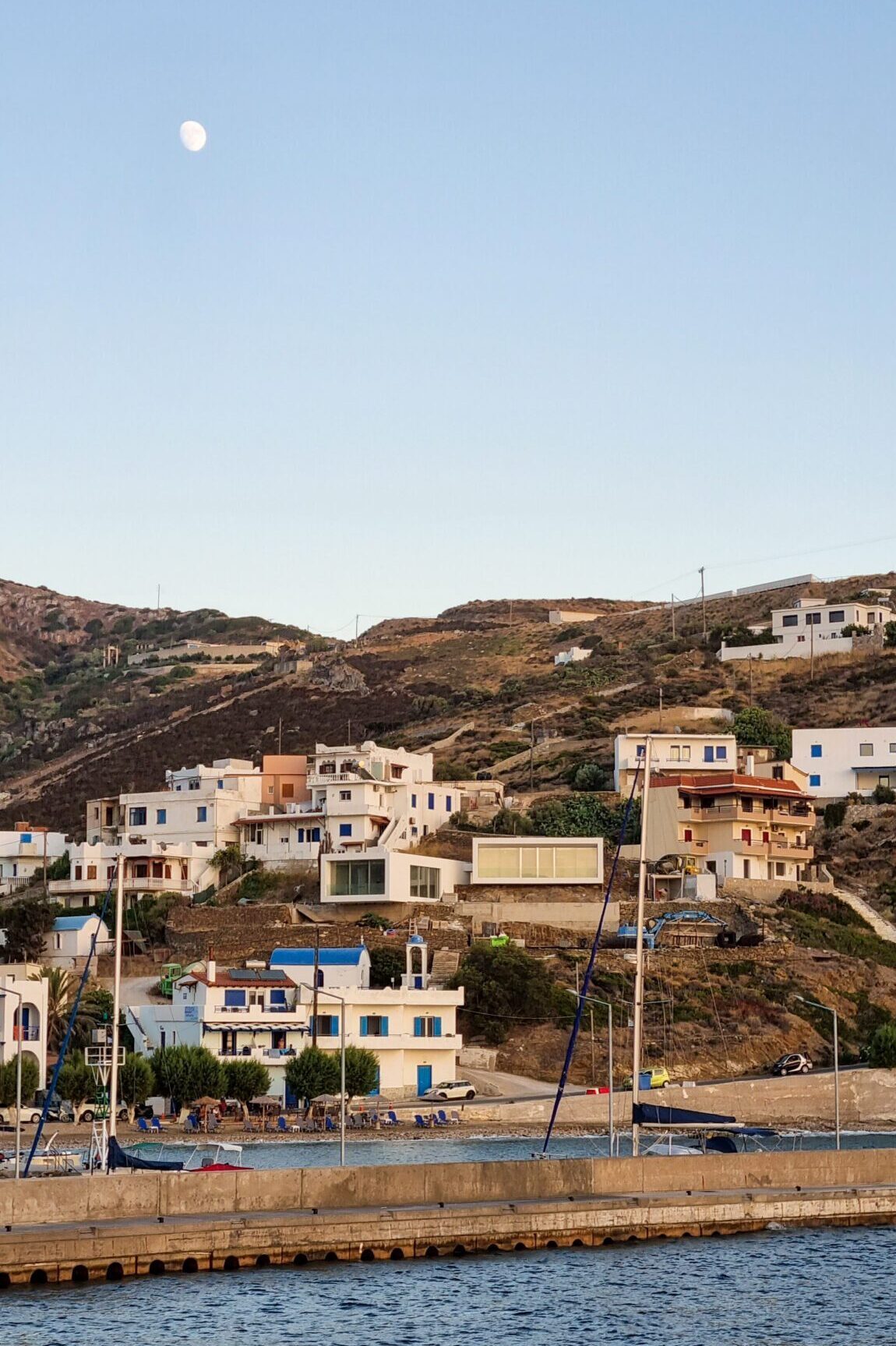
Located in Fournoi, this 1,390.48 m² plot of land is situated in a very privileged position. It is less than 40 linear meters from the sea and has altitudes between 14 and 24 meters.
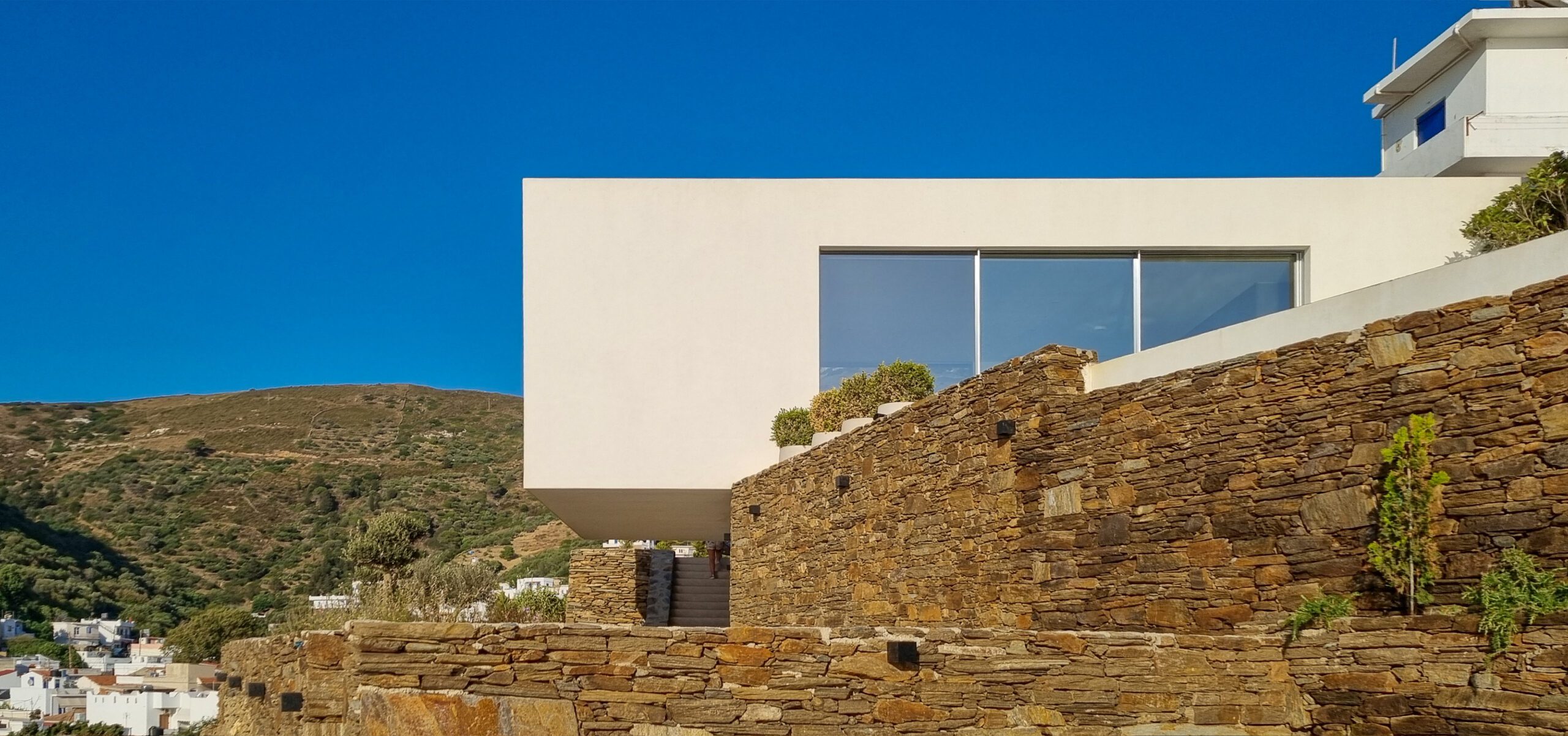
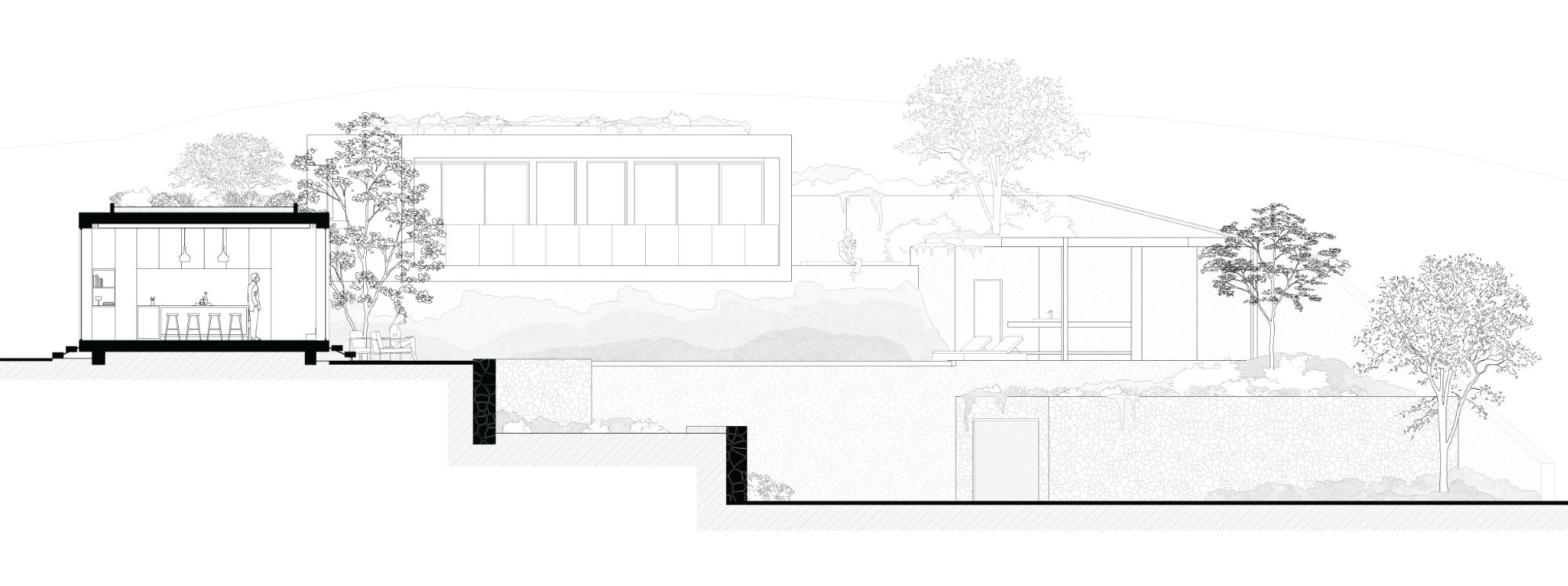
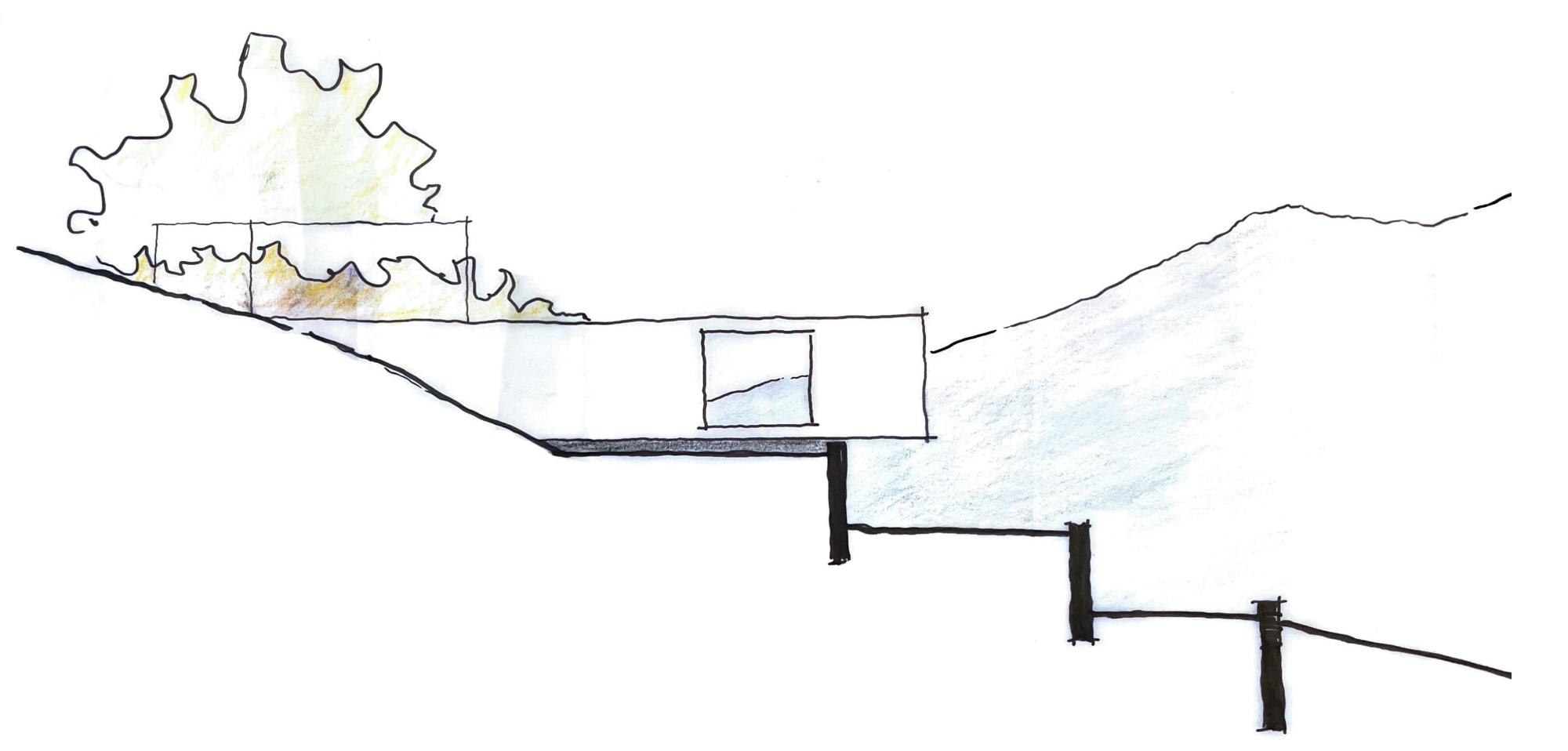
My first instinct upon seeing the land was: alter it as little as possible. The beautiful stone walls, the colors of the native vegetation, so characteristic of the region, and the specific topography, composed of 3 walls and 3 plateaus, are what define the place; it is natural that they also define the project.
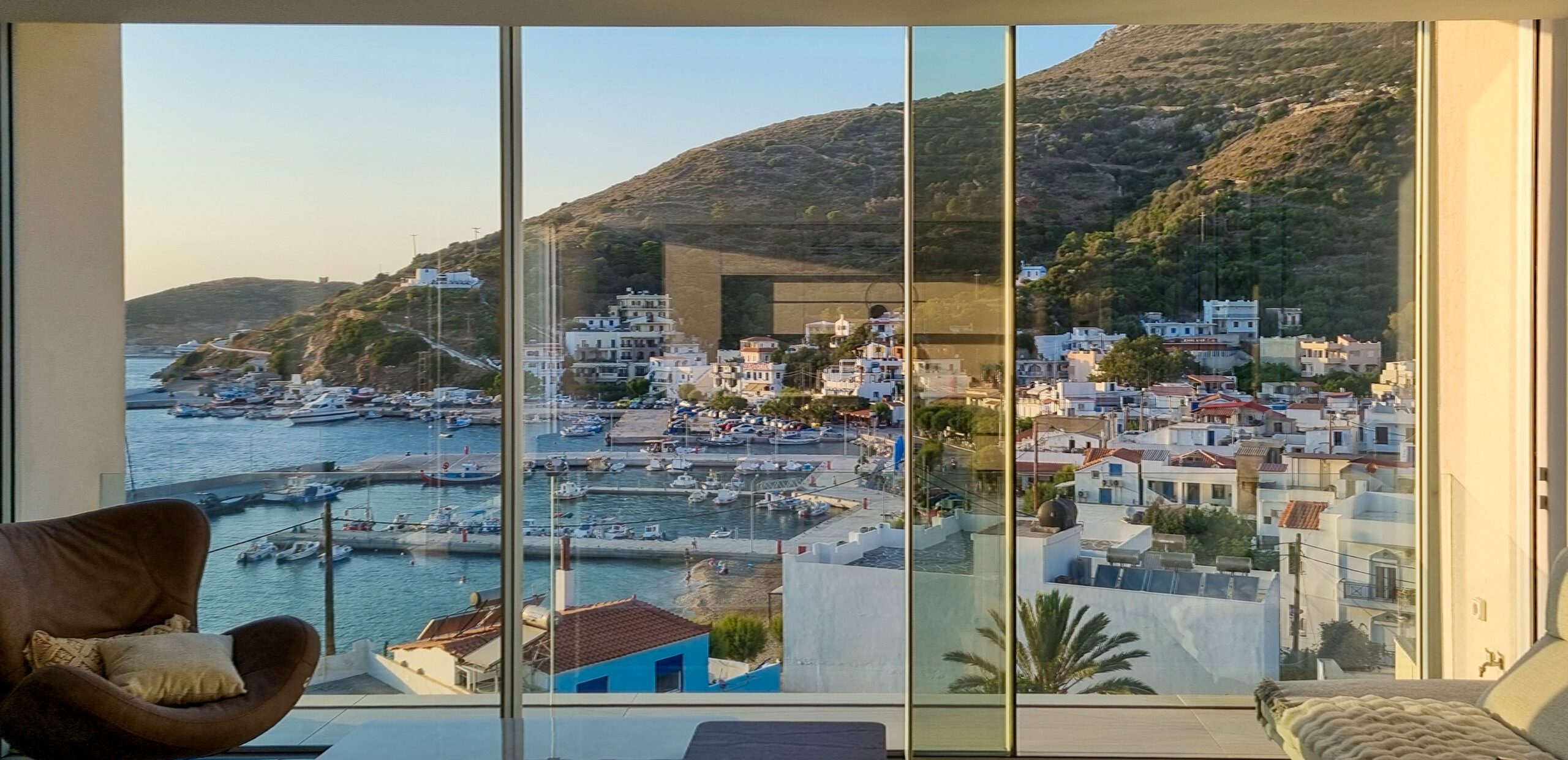
During the site visit and survey, three main views were identified: to the east, the village of Fournoi and the valley; to the north, the coastline and the port; and to the west, the sunset behind Mount Thymena.
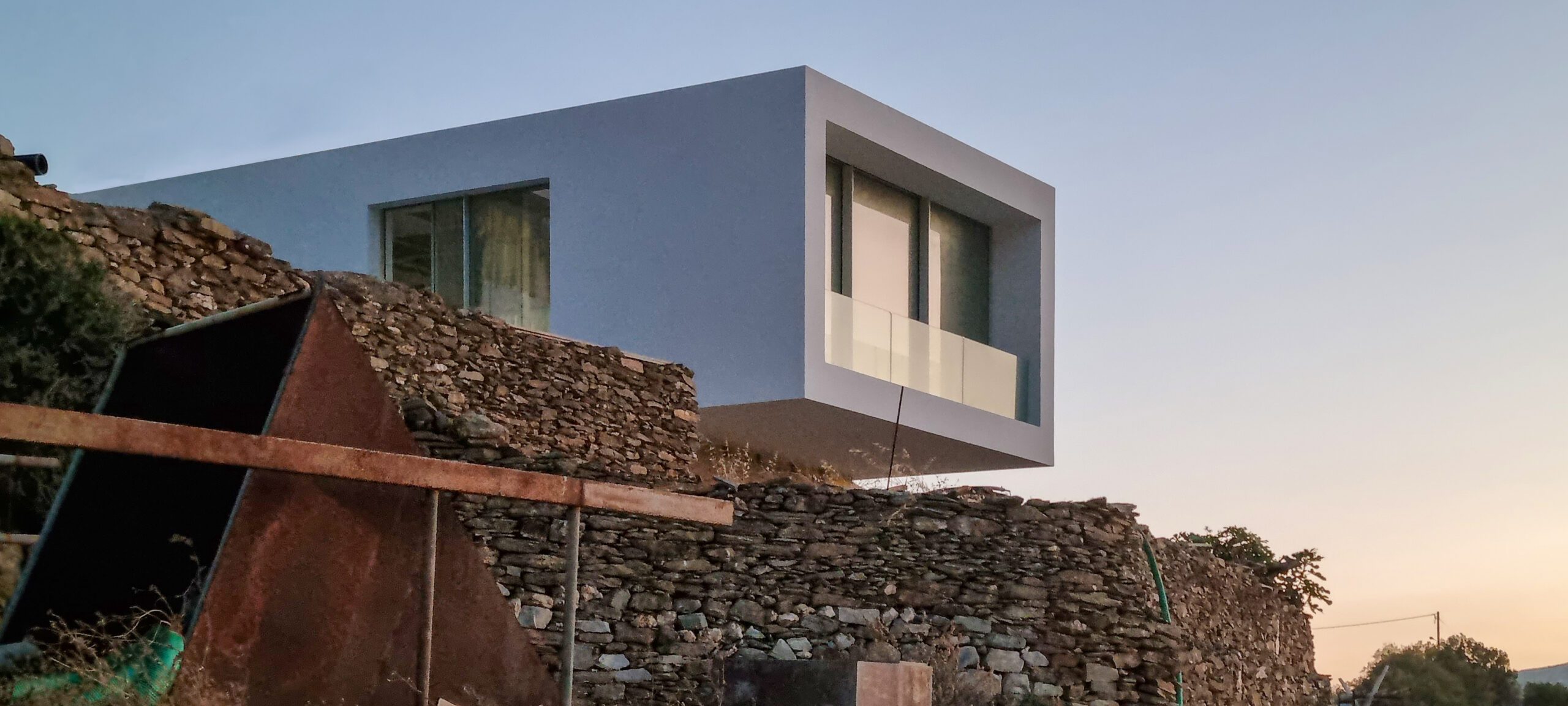
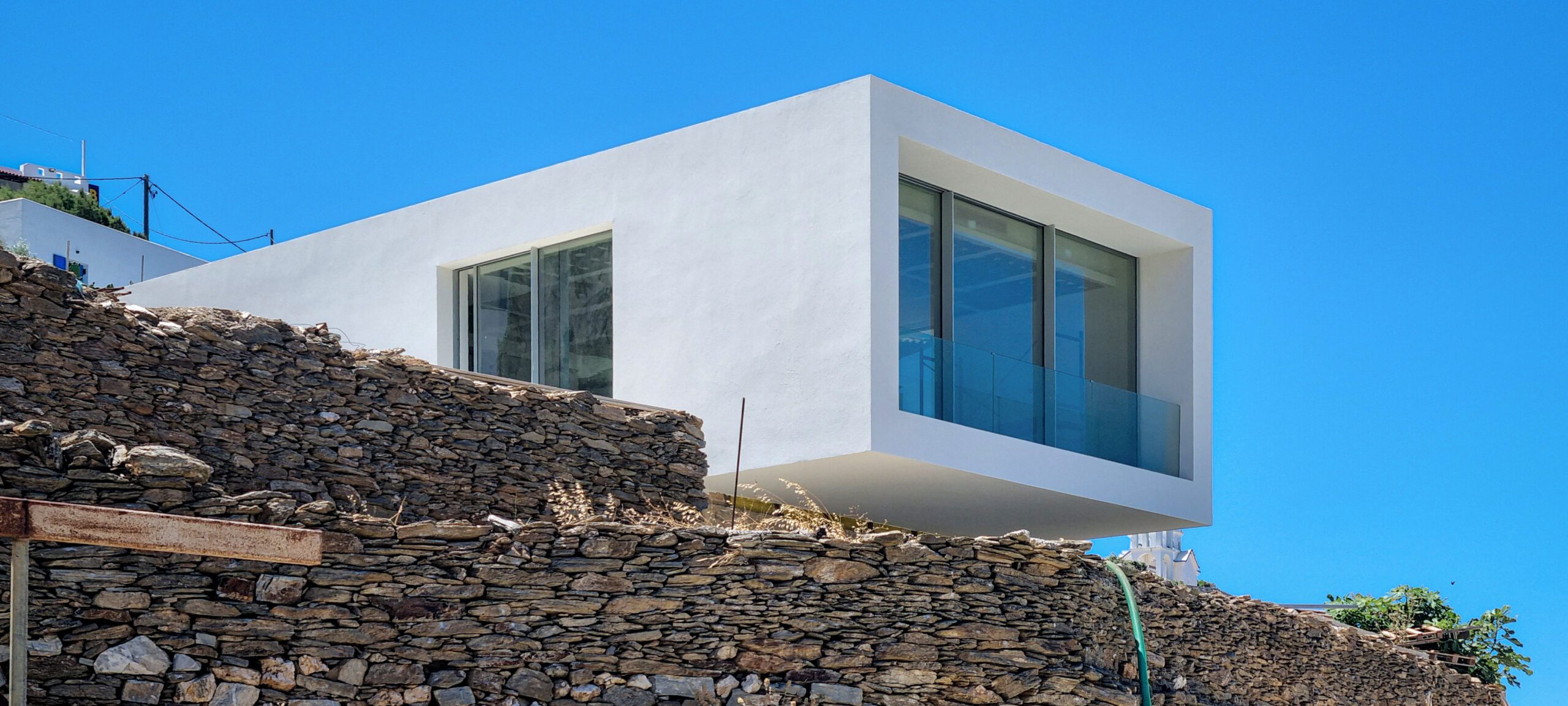
Subsequently, insolation studies were conducted to determine the best location for the house, taking into account the aforementioned views, harmony with the neighboring buildings, and the negative space to be created. It was decided that the house should be situated on the highest plateau.
Using the existing stone walls as guidelines, the house is arranged in two rectangular volumes, each 6m wide: one at the plateau level (+19.0m) with a north-south orientation and the other at the +21.0m elevation with a northeast-southwest orientation. This composition creates an obtuse "L" shape that defines the internal garden, with a swimming pool and seating areas, as well as framing the views of the surrounding landscape.
The lower volume houses the more communal program. The main entrance on the west facade frames the sky and the mountain on the horizon, creating a juxtaposition between the orthogonal forms of the architecture and the organic forms of nature, complementing each other through contrast. Inside, the living room, dining room, and kitchen form a generous integrated space that extends fluidly towards the garden.
Further south, an enclosed block houses the areas that share the plumbing: a powder room, a guest bathroom, and the laundry room. This enclosed block also separates the more communal uses, providing privacy to the guest room and the staircase leading to the bedrooms.
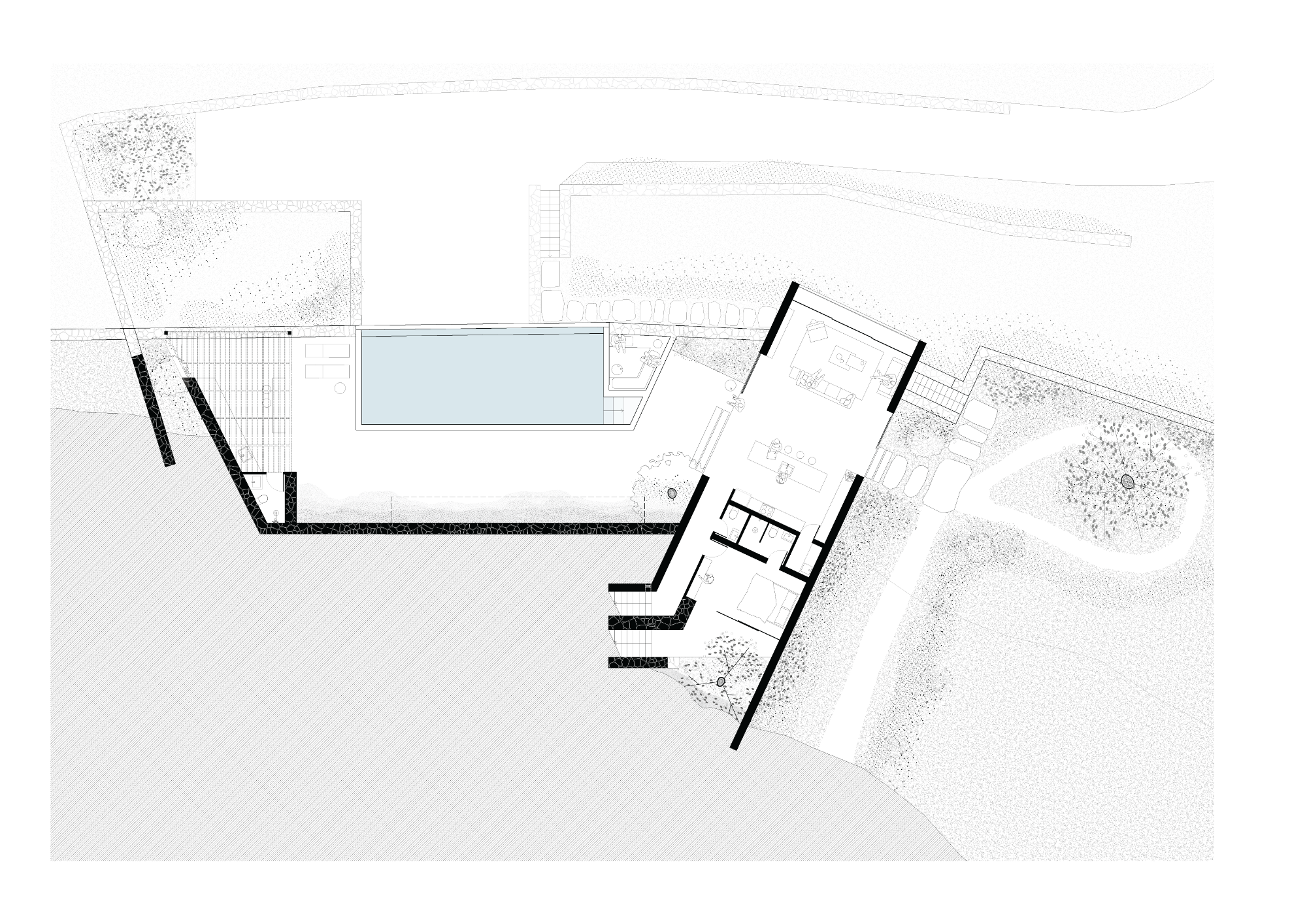
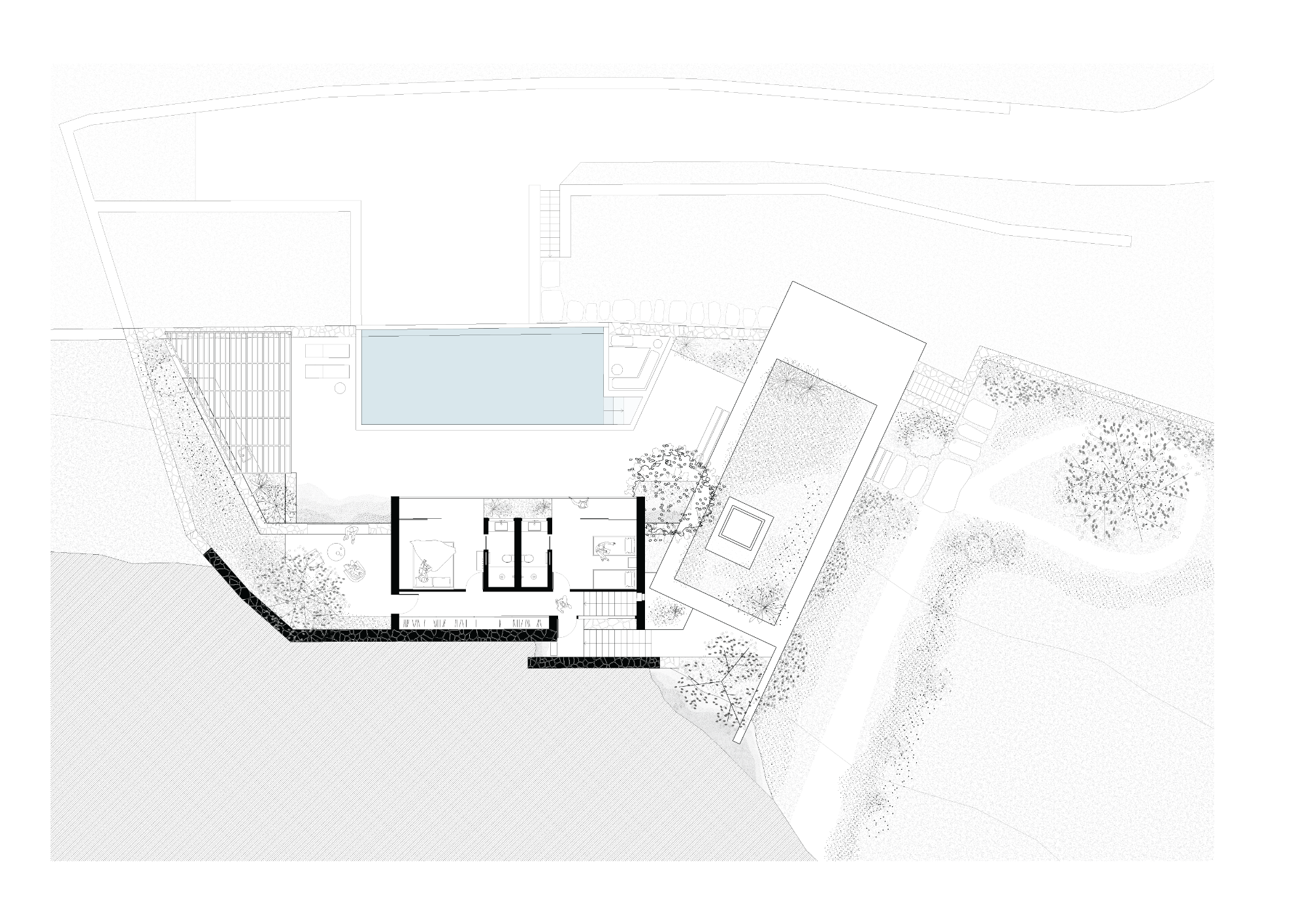
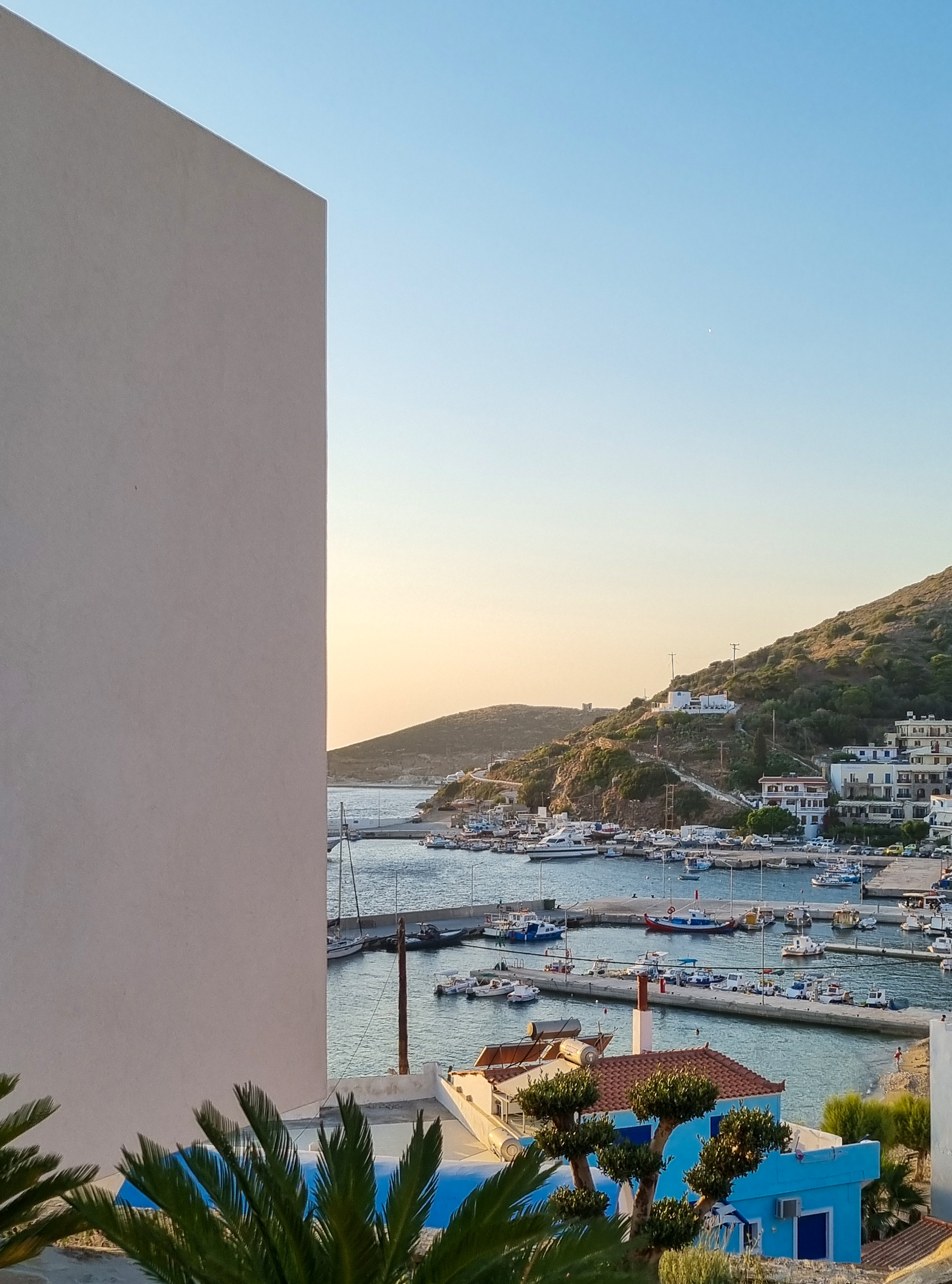
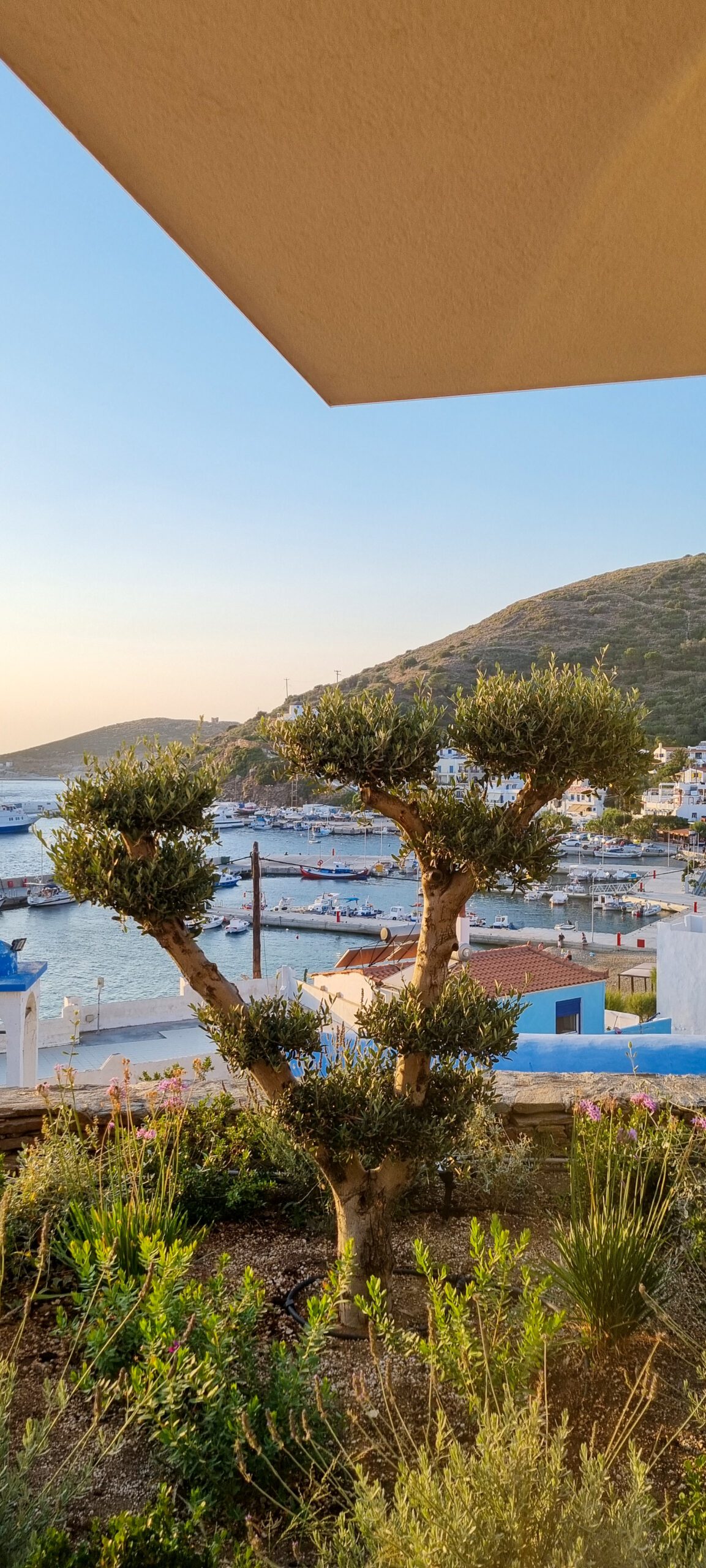
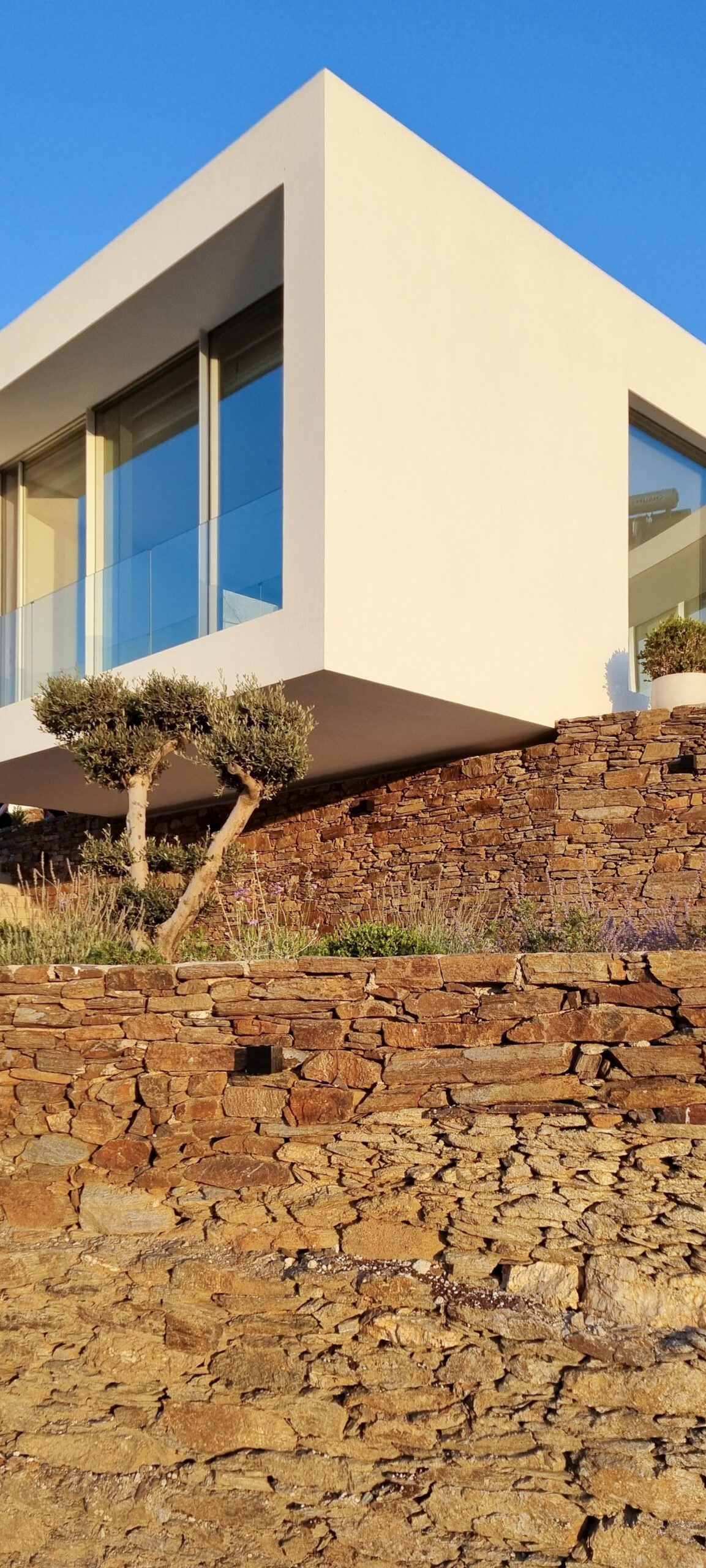
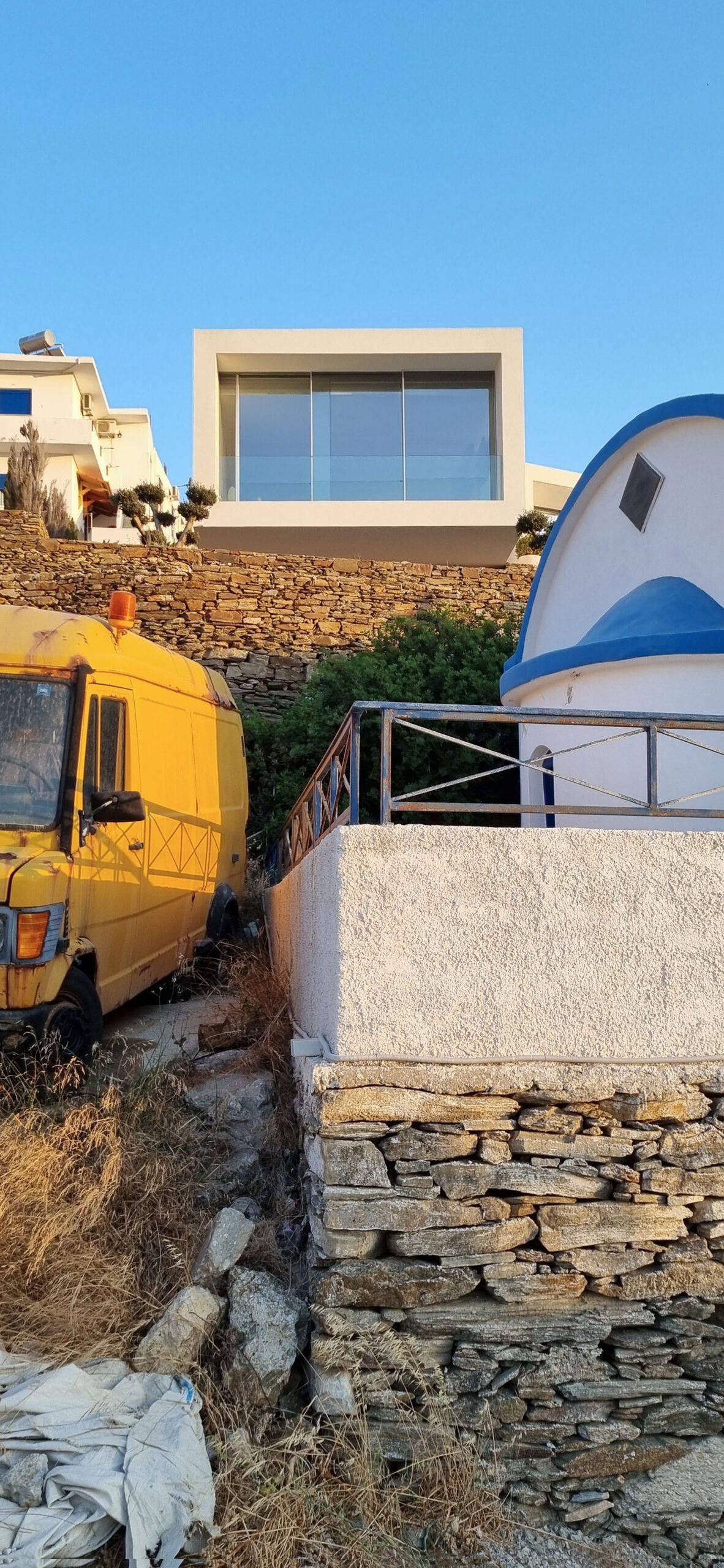
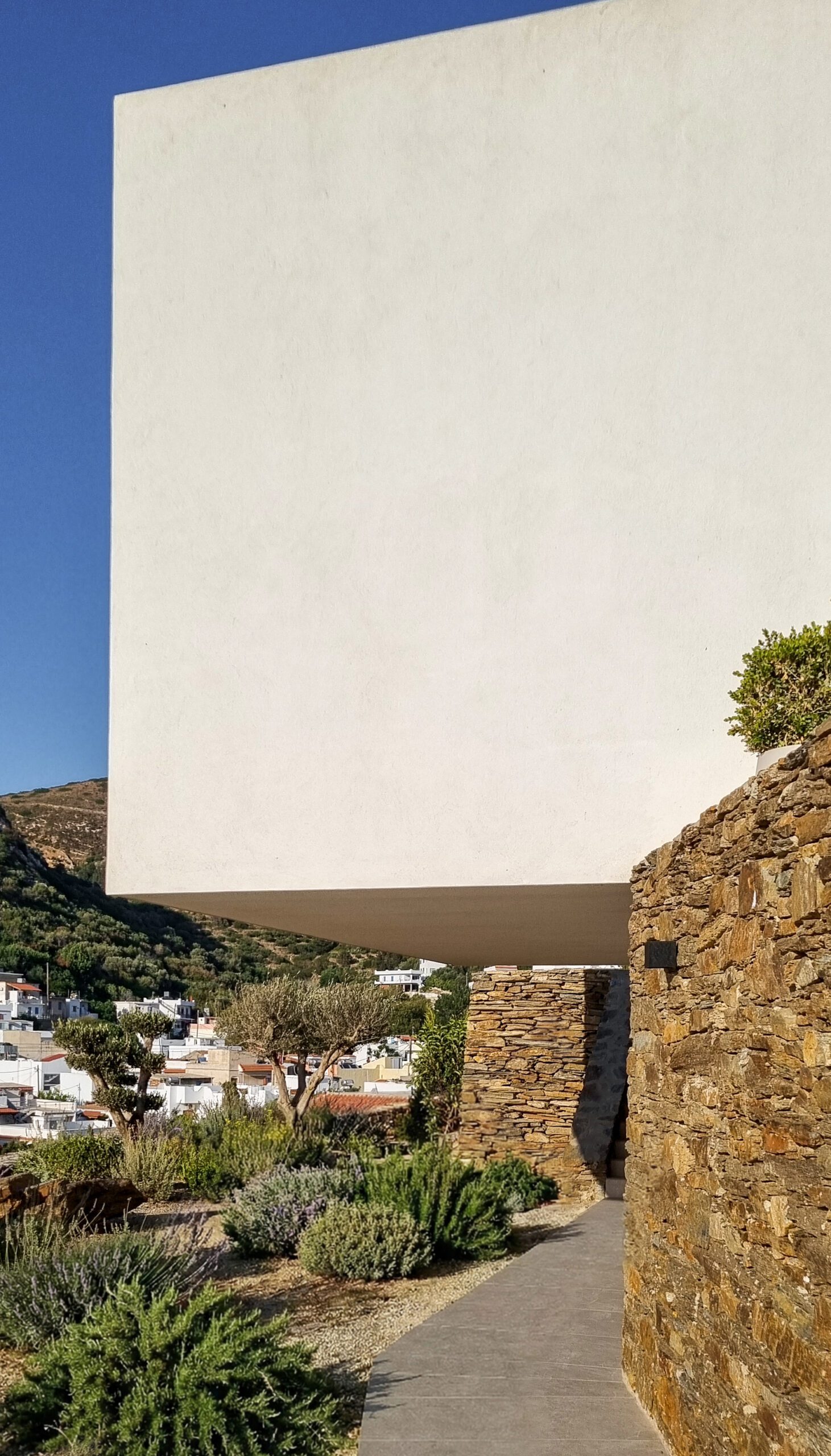
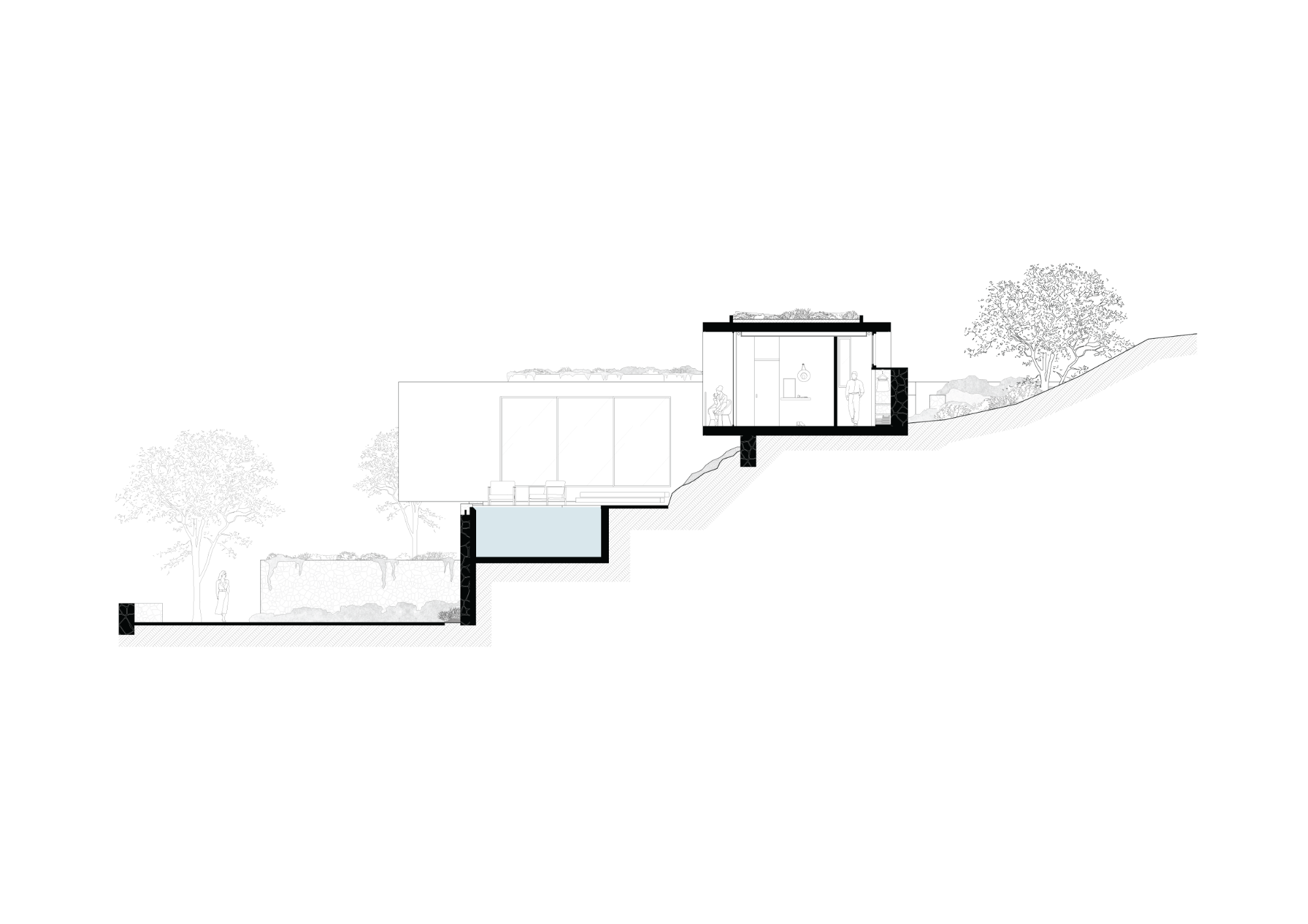
The half-floor difference in level between the blocks allows the first floor to sit more naturally on the existing terrain, thus reducing the amount of construction or excavation needed, while also reducing the size of the stairs. On this level, the main corridor provides access to the bedroom, the master suite, and ends with access to an outdoor terrace. Wardrobes on the south wall create a recess where tall windows are positioned, blocking direct summer sun rays but allowing direct winter light in for heating. The bathrooms share the plumbing and serve as an acoustic barrier between the two bedrooms. A small balcony, a continuation of the bedrooms, frames the northwest view and lends lightness to the volume.
Due to the strong northerly winds that bring sea salt and the intense heat during the summer, resilience is paramount for this construction. Local and raw materials were chosen. The main concrete structure ensures longevity and resistance against earthquakes. Green roofs with local plants act as passive thermal insulation, and solar panels take advantage of the high solar incidence. The simple white color paints the facades to blend the house more delicately into its surroundings and also to help reflect heat.