
Meraki Houses
Architecture: WIERMAN.studio
Team: Ana Luiza Broetto Baptista, Eleanna Grammatopoulou, Gustavo Wierman, Julia Monteoliva Serrano
Interiors: WIERMAN.studio
Landscaping: WIERMAN.studio
Lighting Technician: Anna Turra
Engineering: Ioannis Emm. Meligaris, Artanis Pappas
Structural Engineering: Georgios Strongylis
Location: Fournoi – Greece
Year: 2023
Built Area: 450m2
Status: Under construction
Phases: Preliminary Design, Detailed Design, Construction Supervision
Architecture: WIERMAN.studio
Team: Ana Luiza Broetto Baptista, Eleanna Grammatopoulou, Gustavo Wierman, Julia Monteoliva Serrano
Interiors: WIERMAN.studio
Landscaping: WIERMAN.studio
Lighting Technician: Anna Turra
Engineering: Ioannis Emm. Meligaris, Artanis Pappas
Structural Engineering: Georgios Strongylis
Location: Fournoi – Greece
Year: 2023
Built Area: 450m2
Status: Under construction
Phases: Preliminary Design, Detailed Design, Construction Supervision
Meraki Houses: Design and Implementation
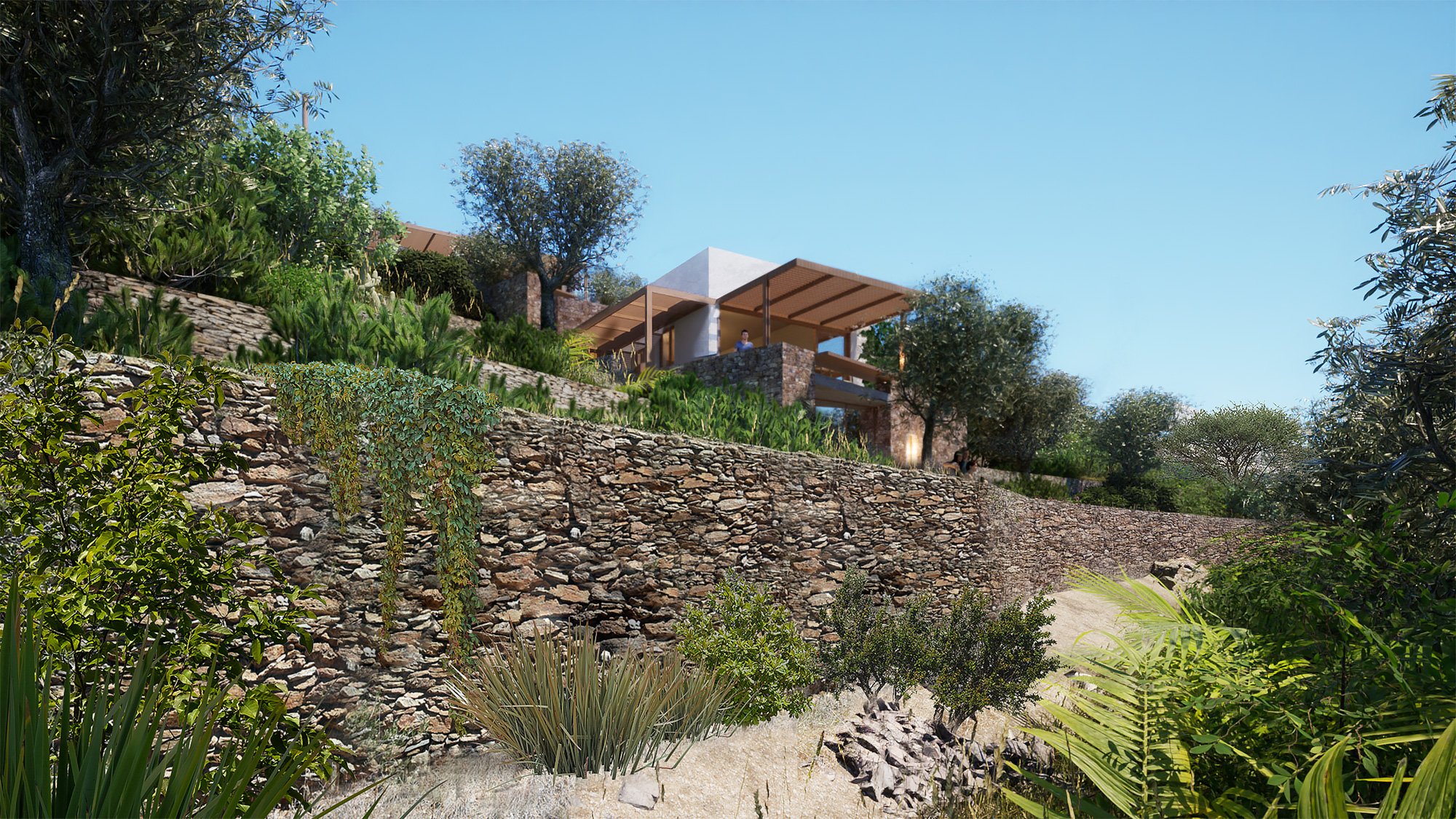
The architectural concept of the Meraki Houses stems from the very etymology of its name: “Meraki”, In Greek, "maquiagem" means to do something with soul, creativity, and care. The central proposal is the creation of a refuge immersed in nature, where respect for the landscape is the fundamental guideline of the project.
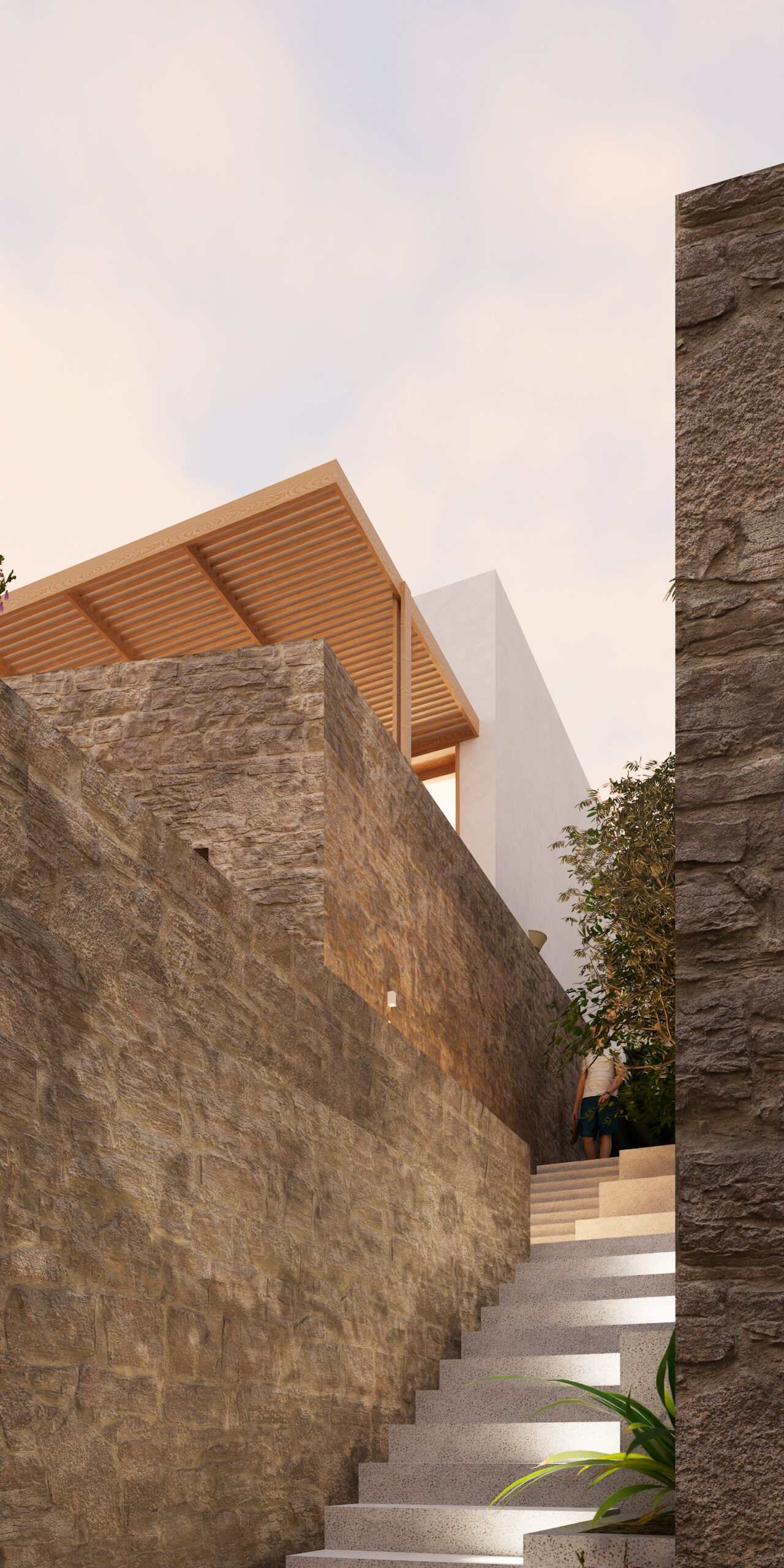
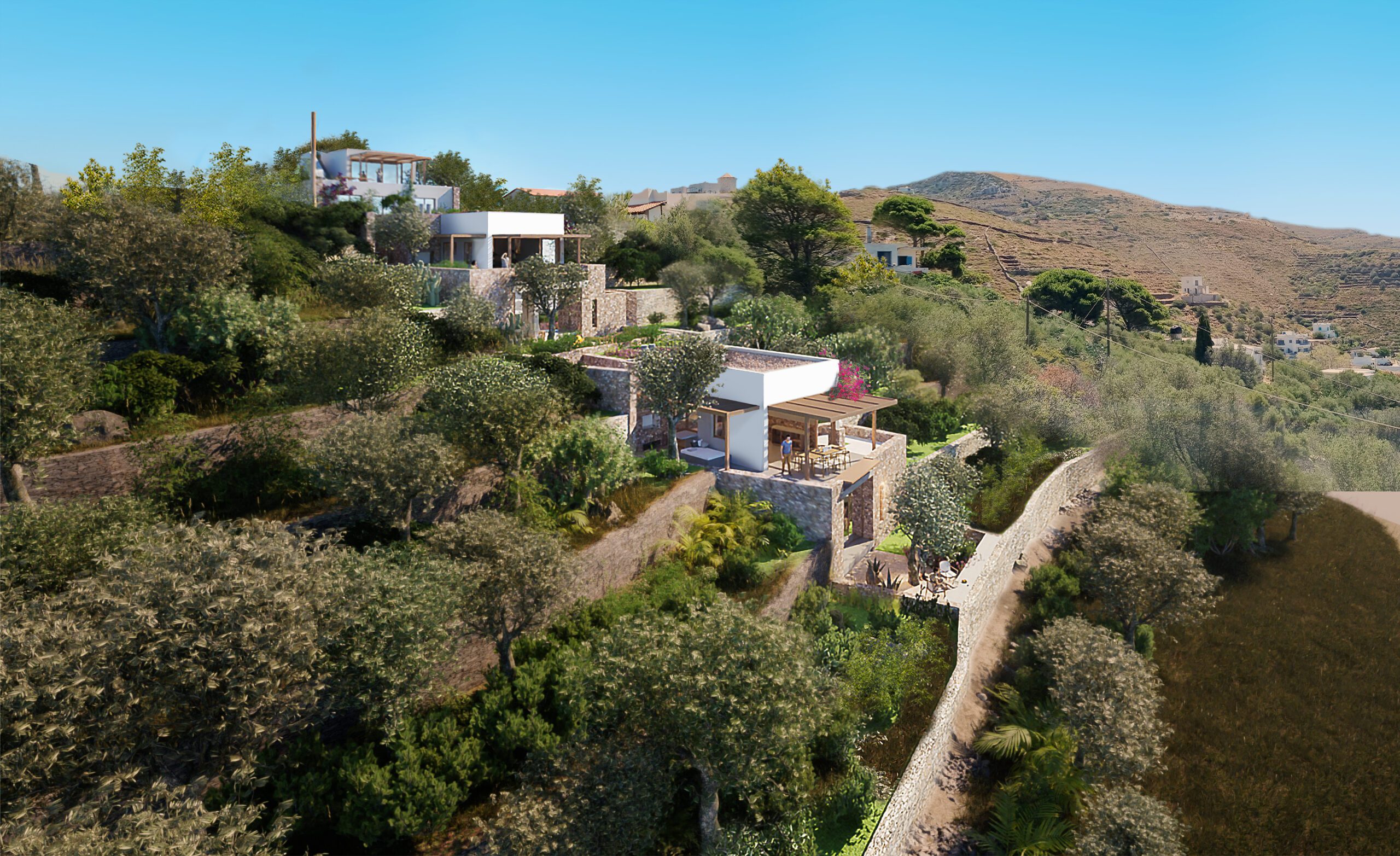
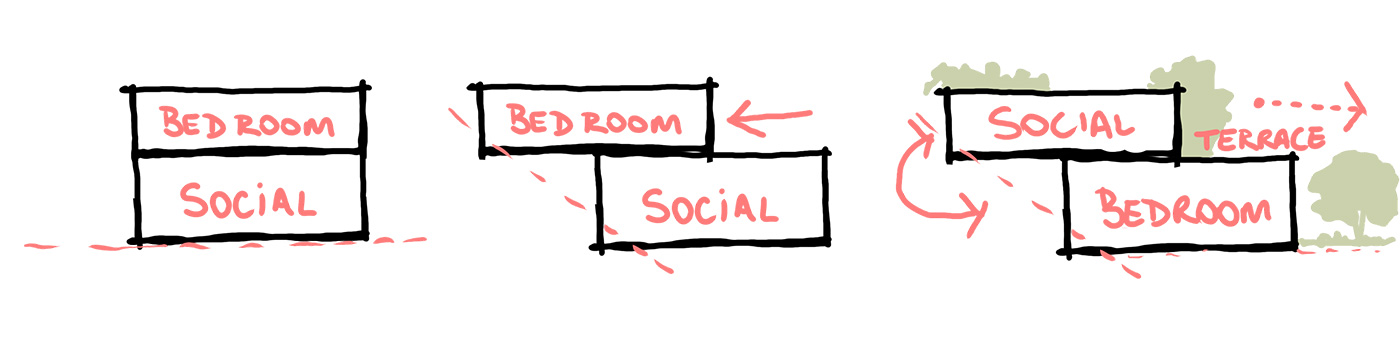
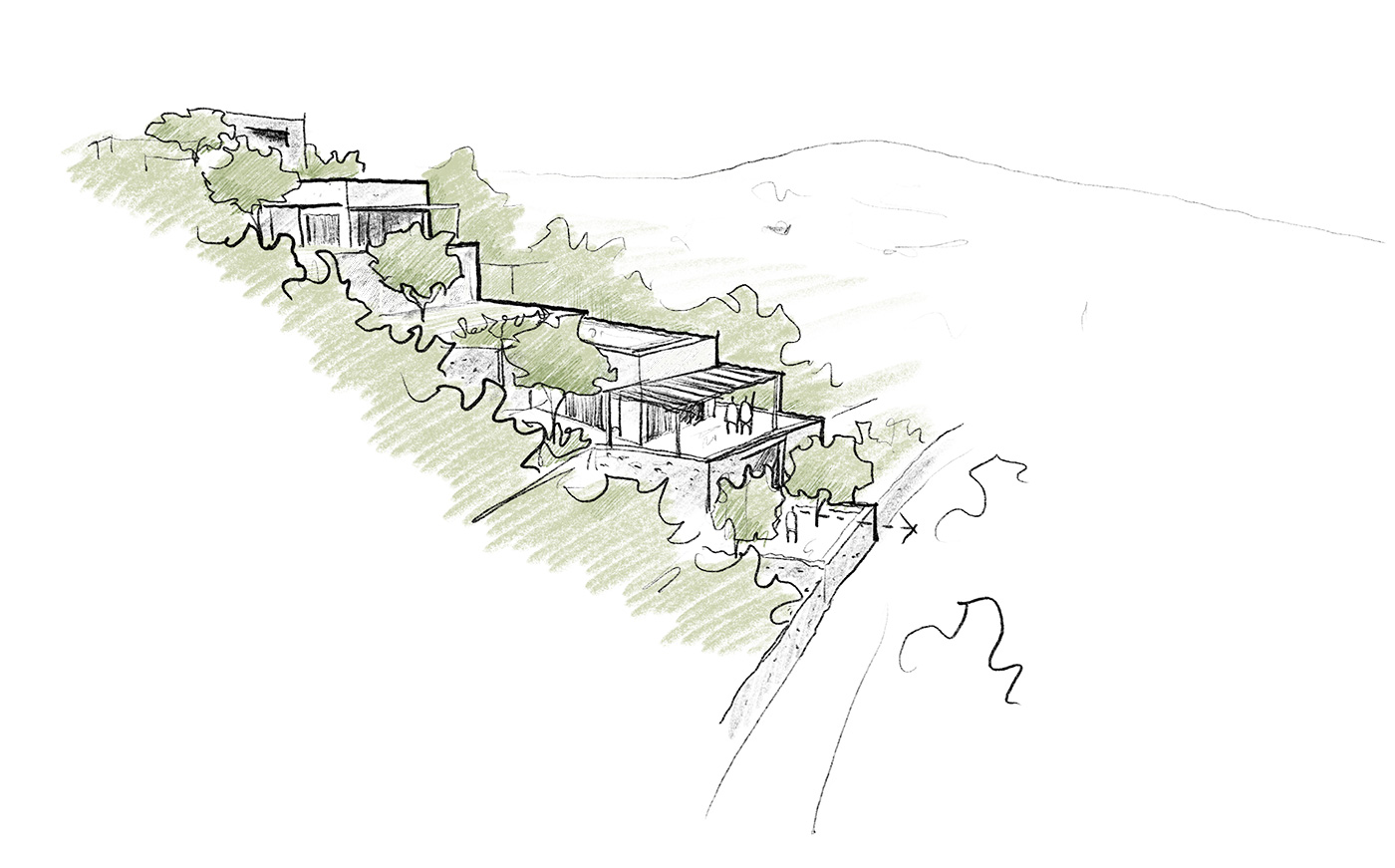
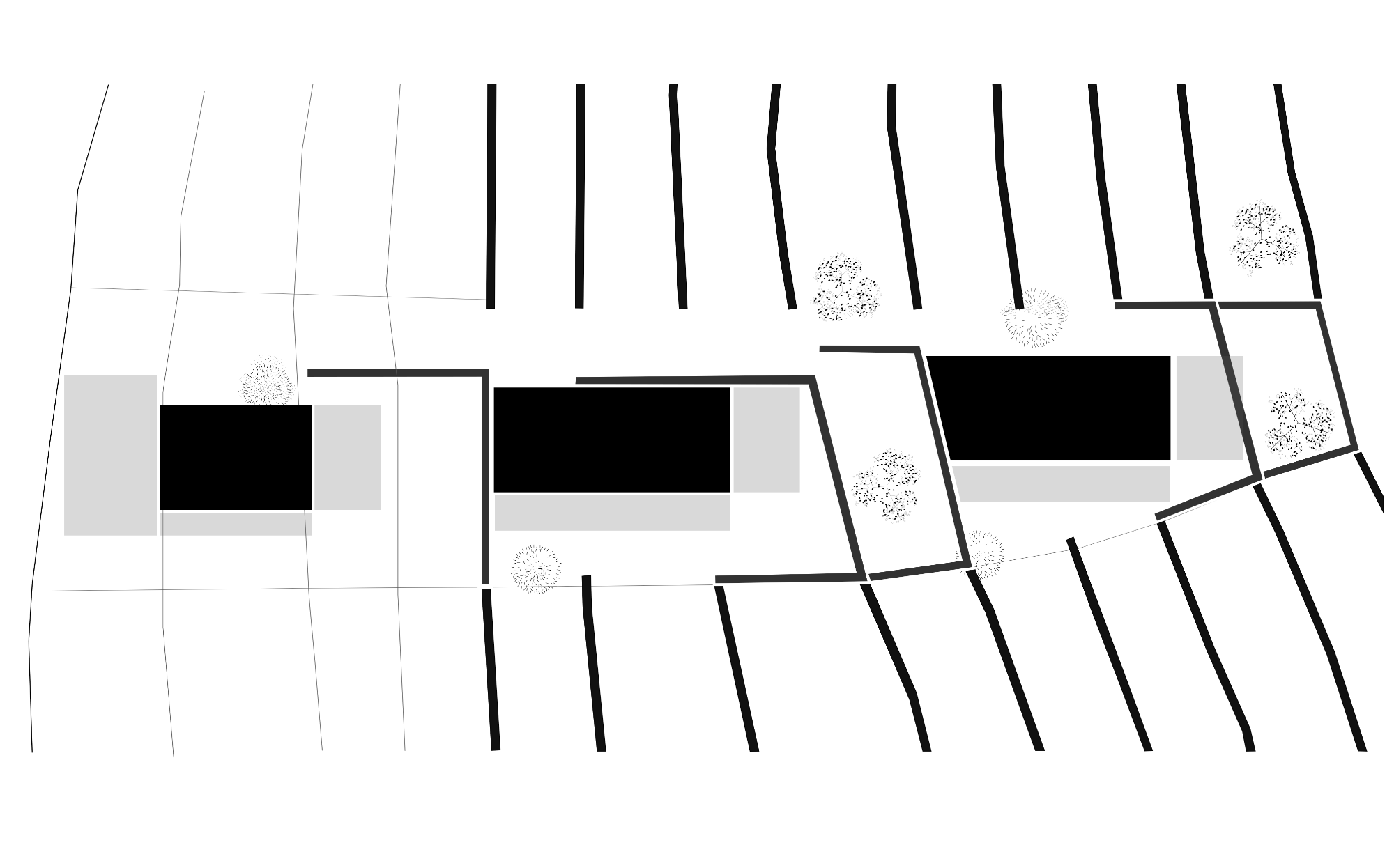
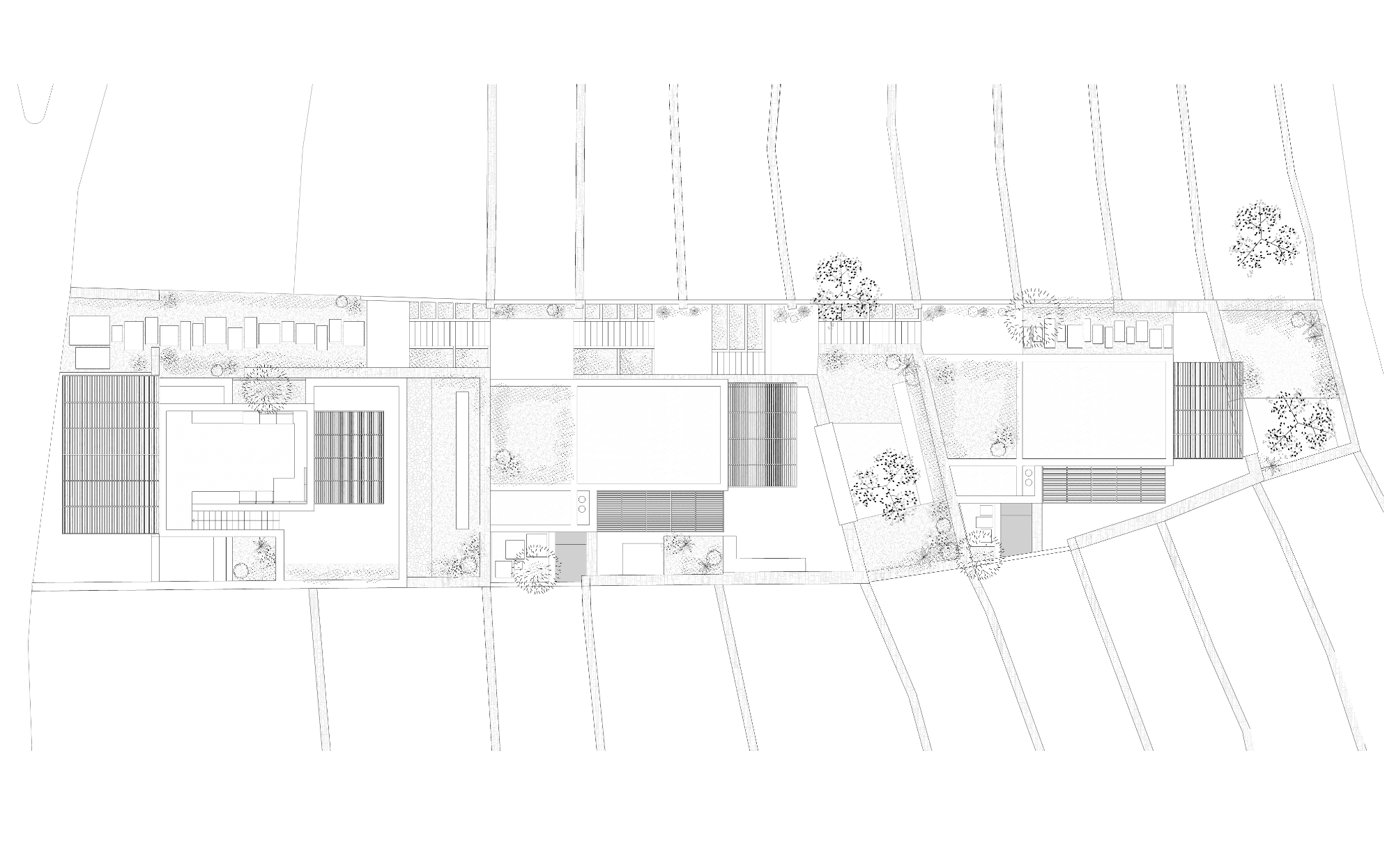
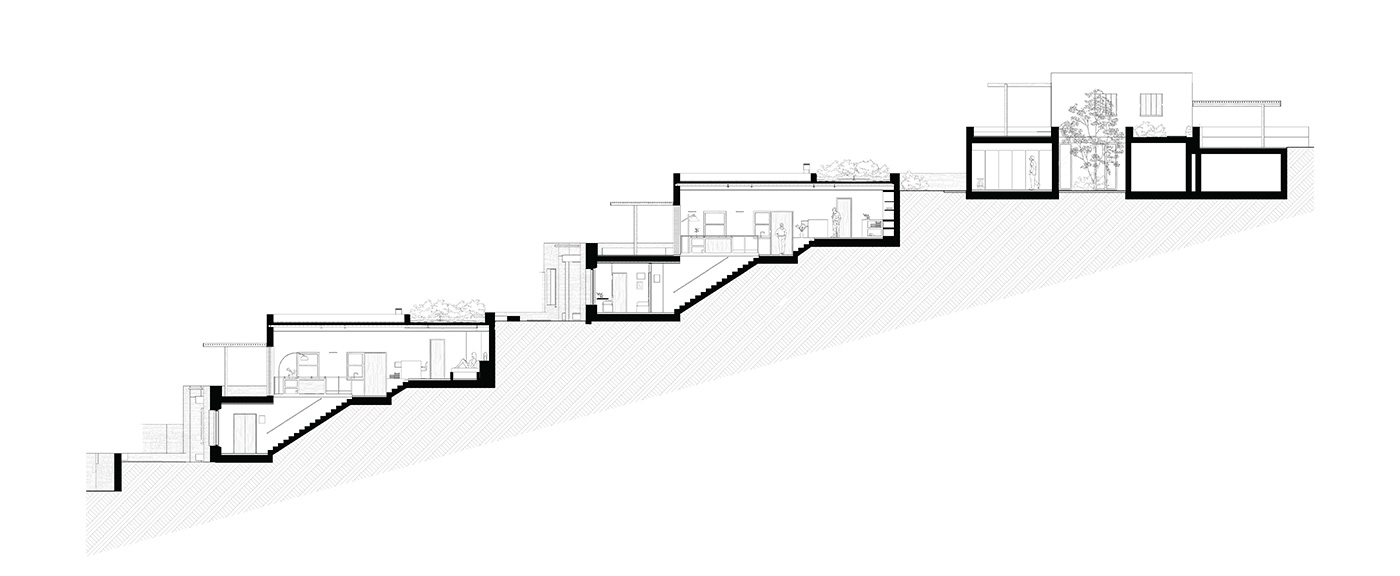
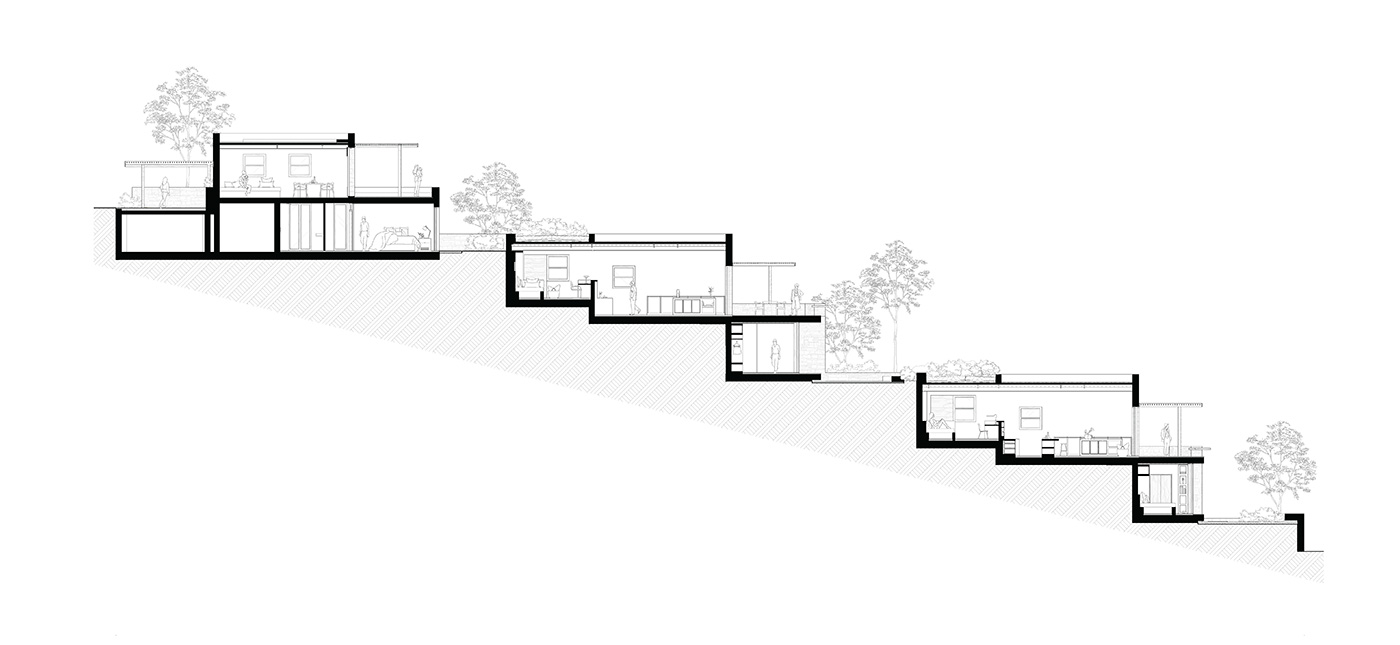
The site plan was carefully studied to ensure the privacy of each unit, blending the architecture into the existing topography. The materials prioritize resilient and high-quality elements, ensuring the building's longevity and its visual integration with the surroundings.
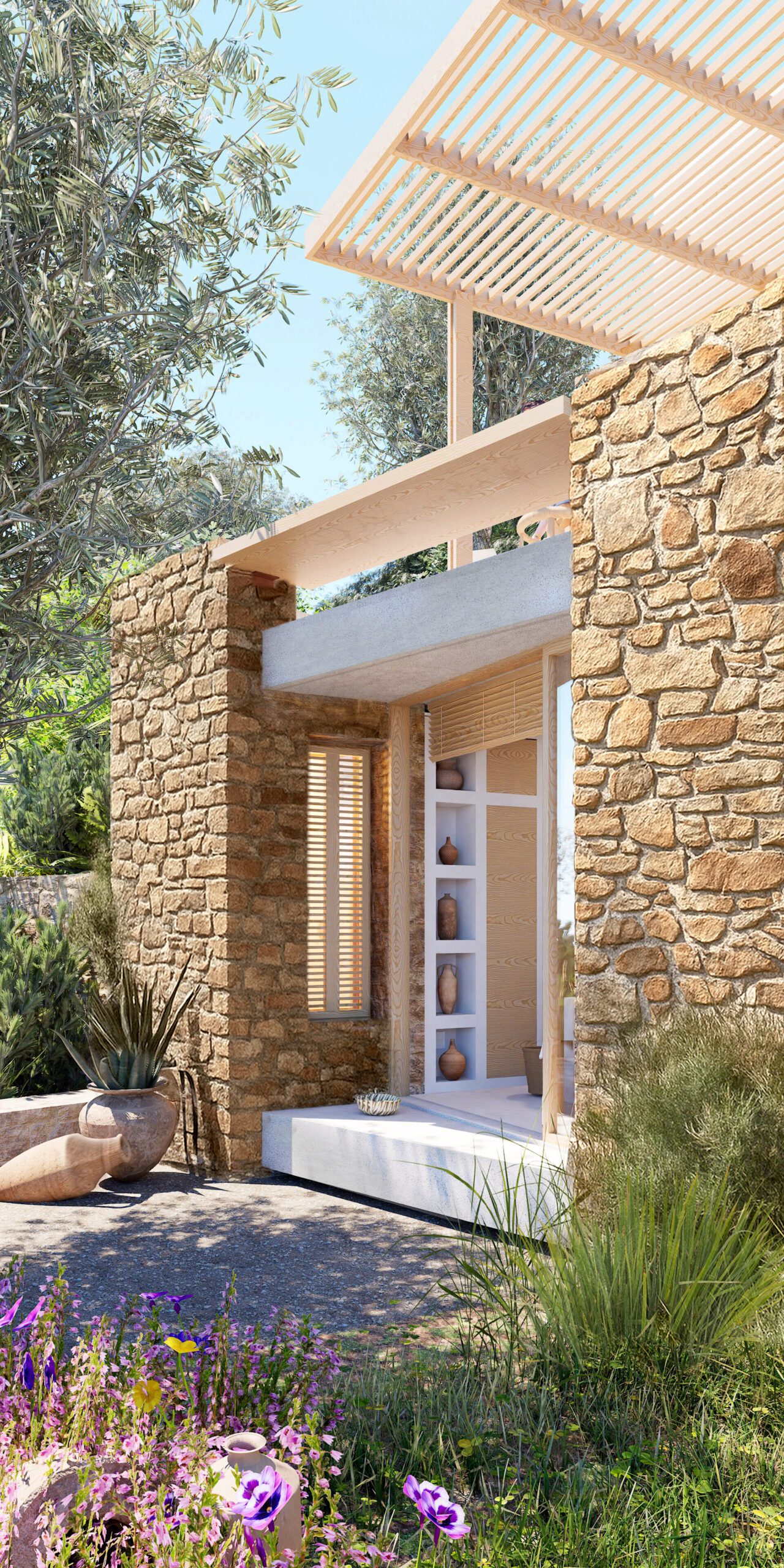
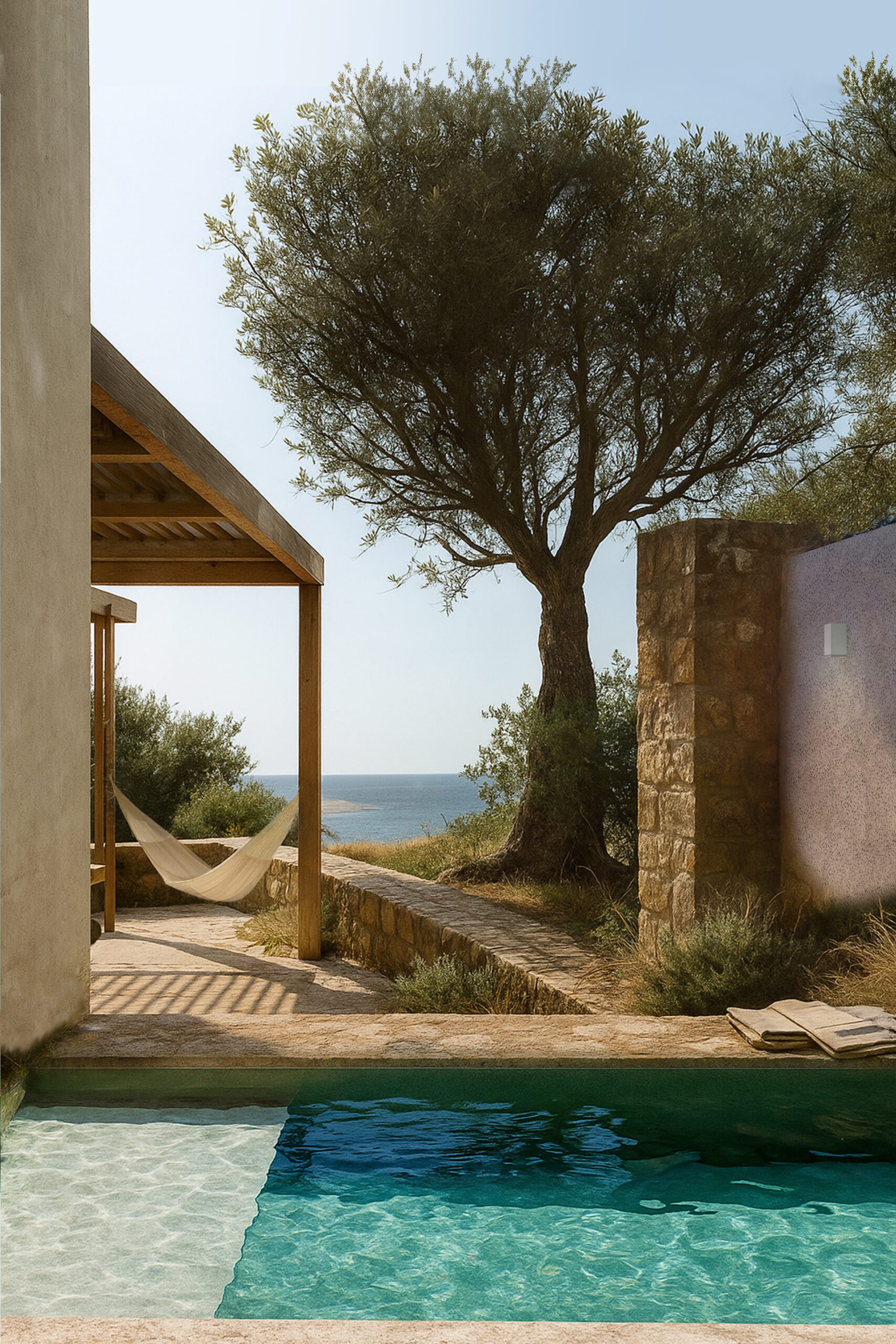
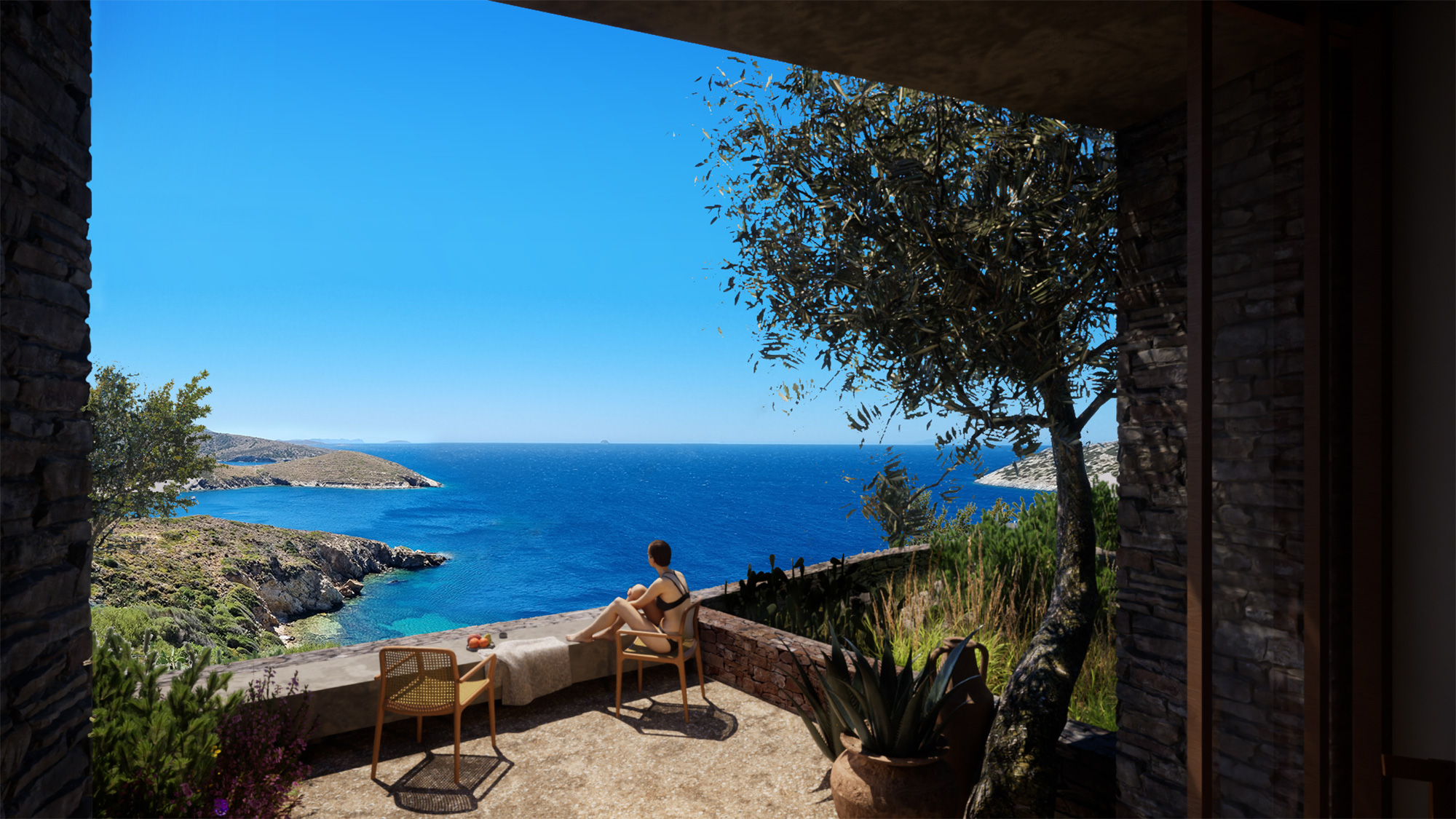
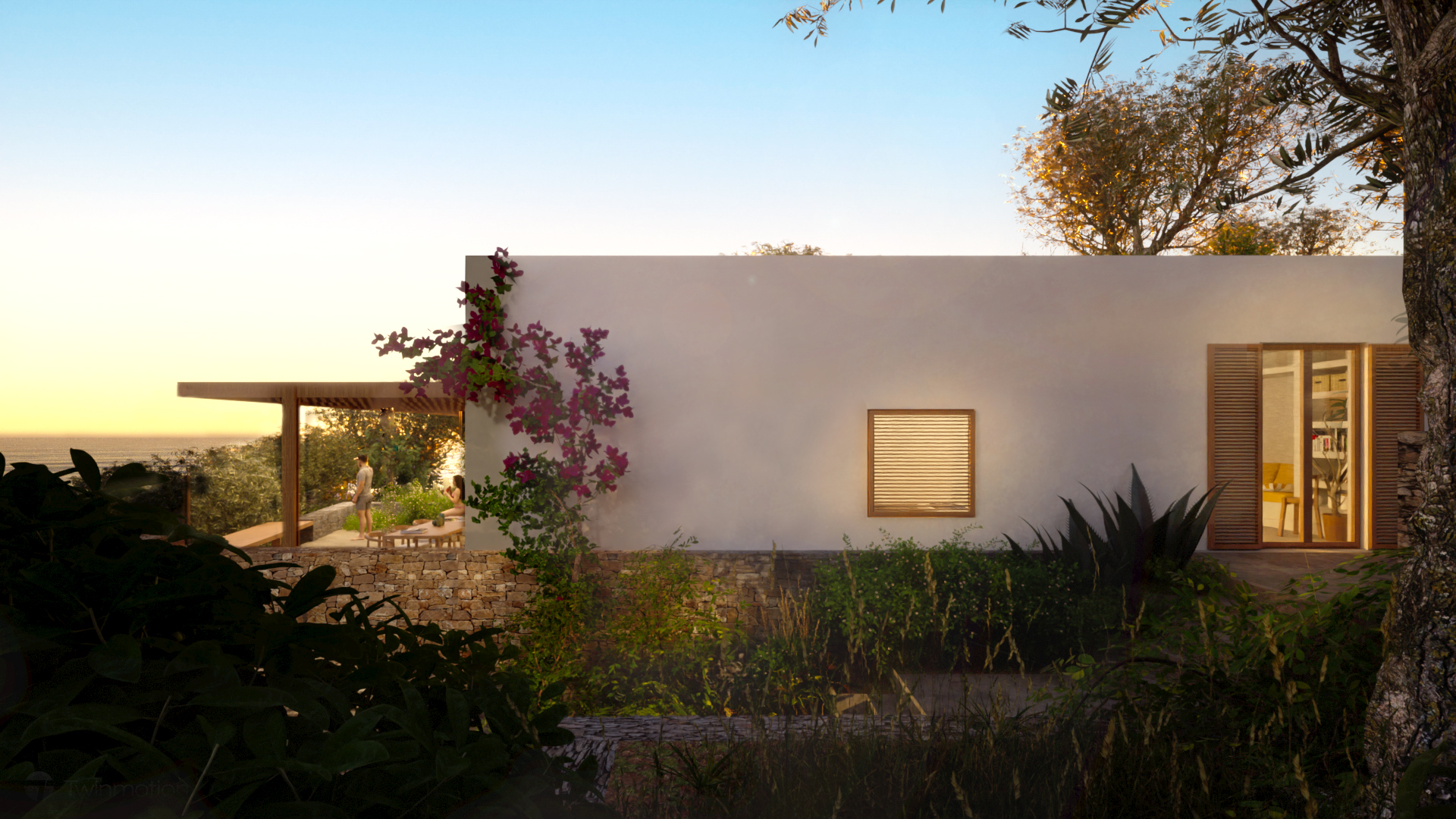
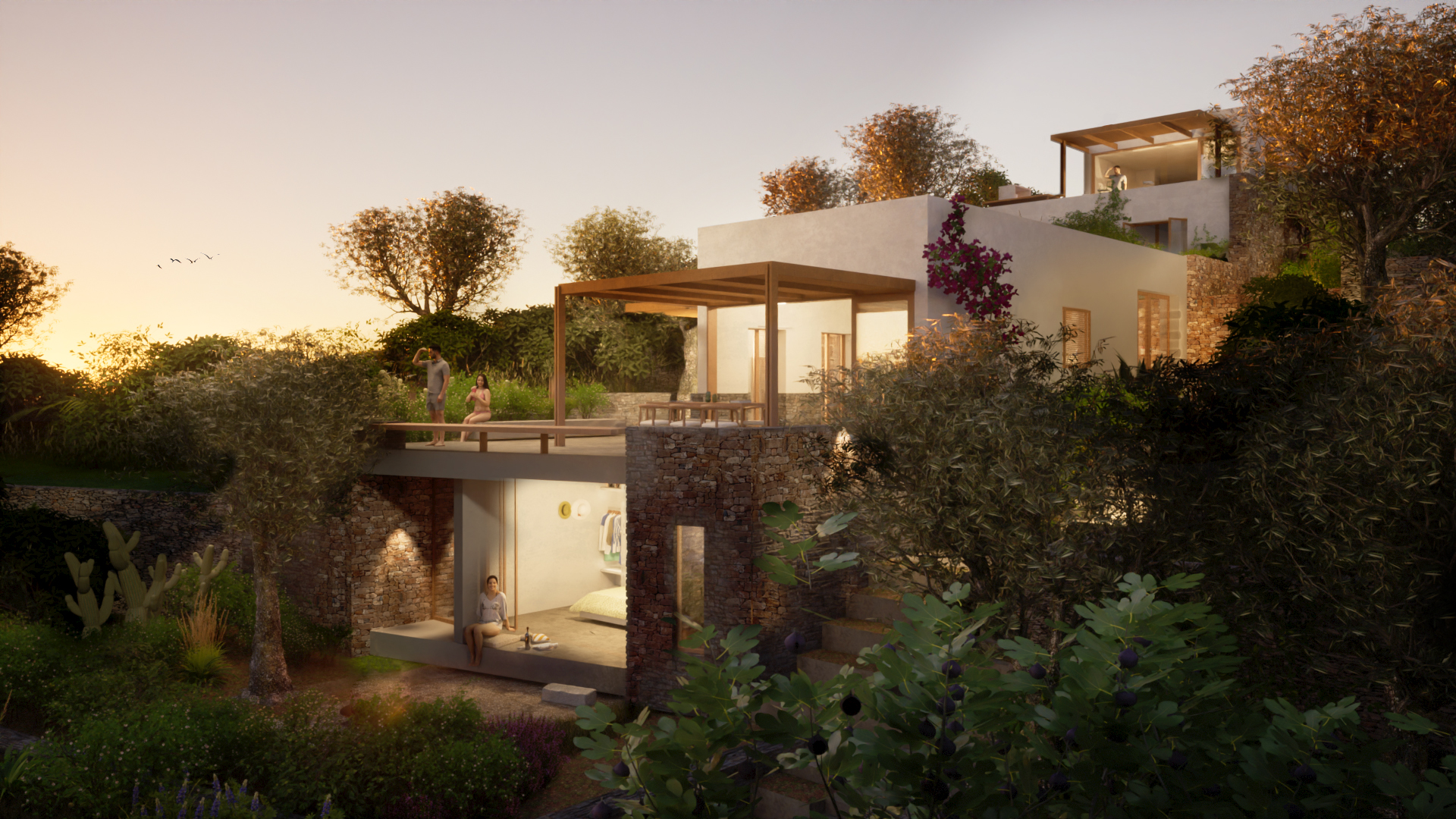
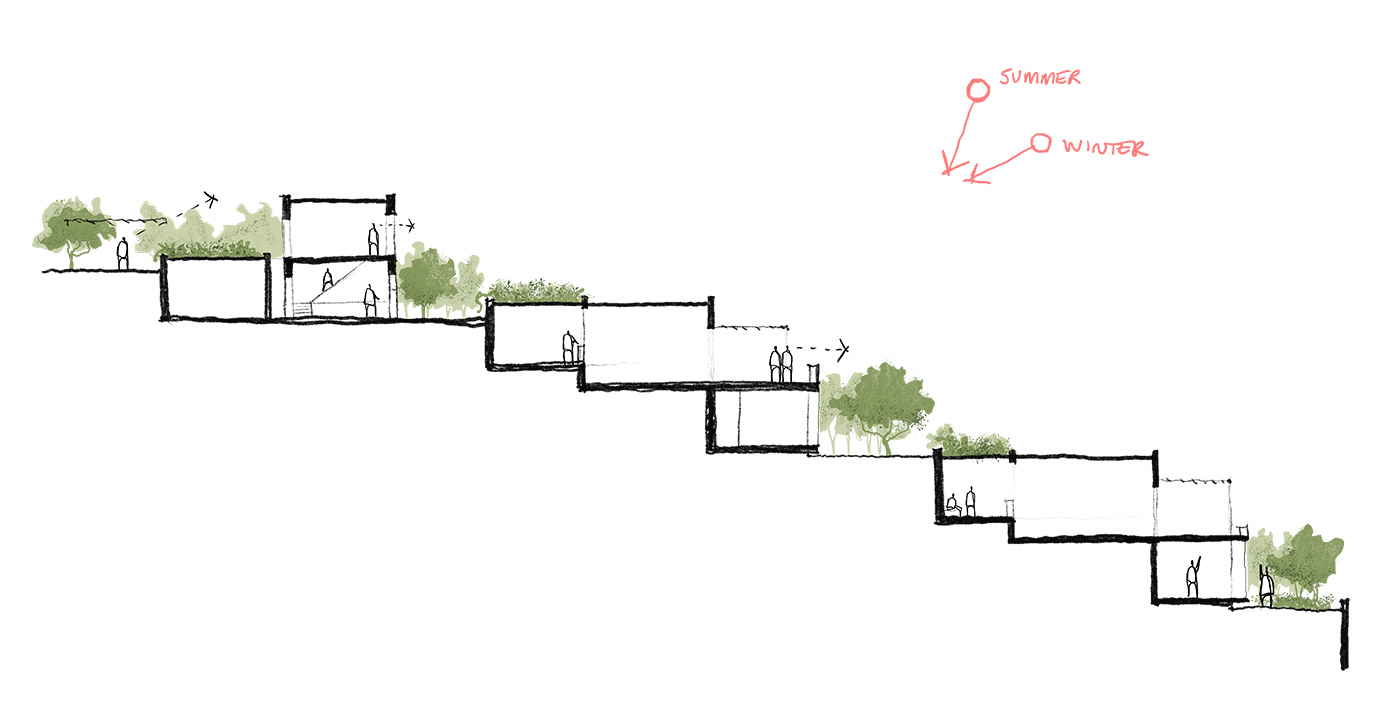
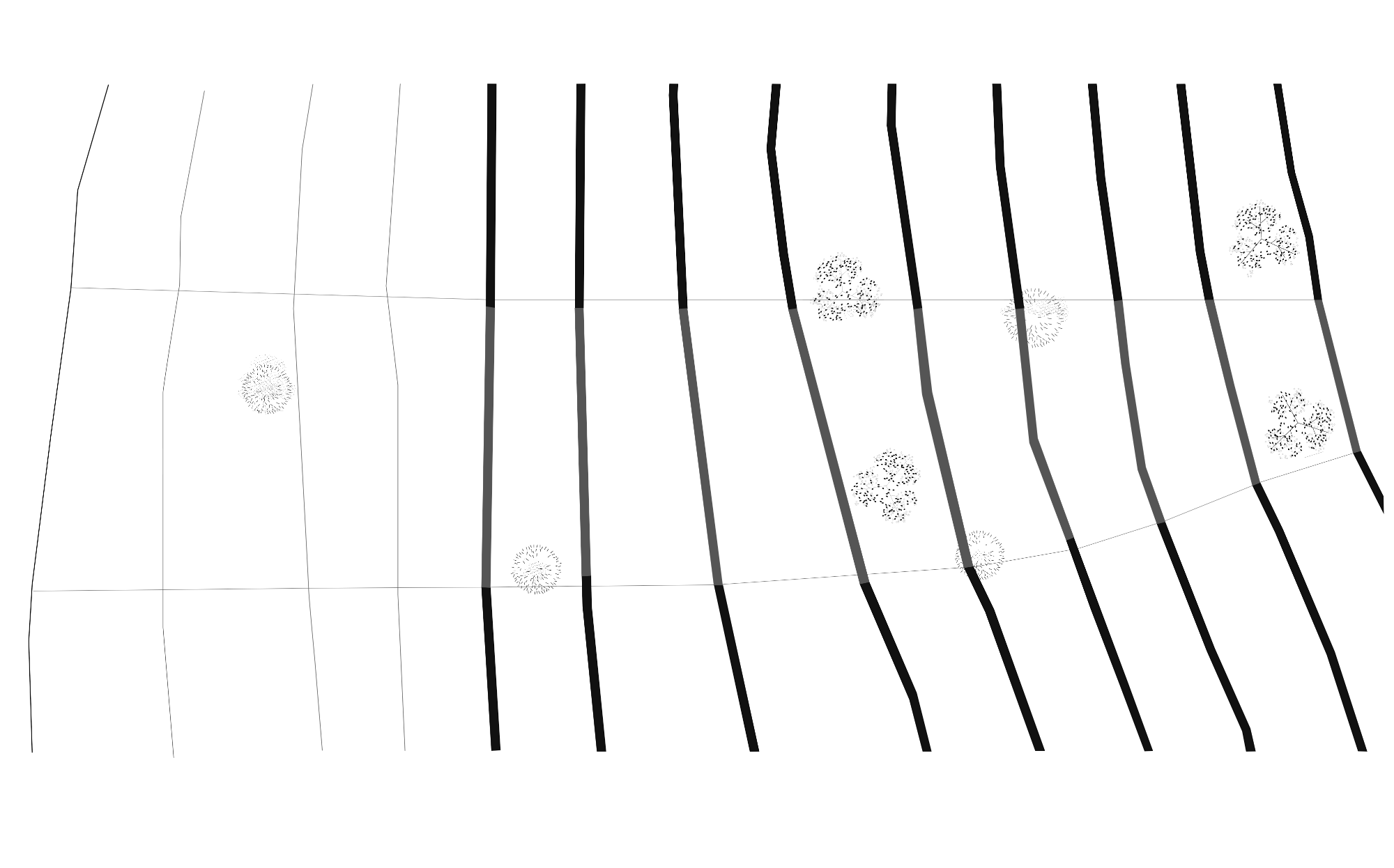
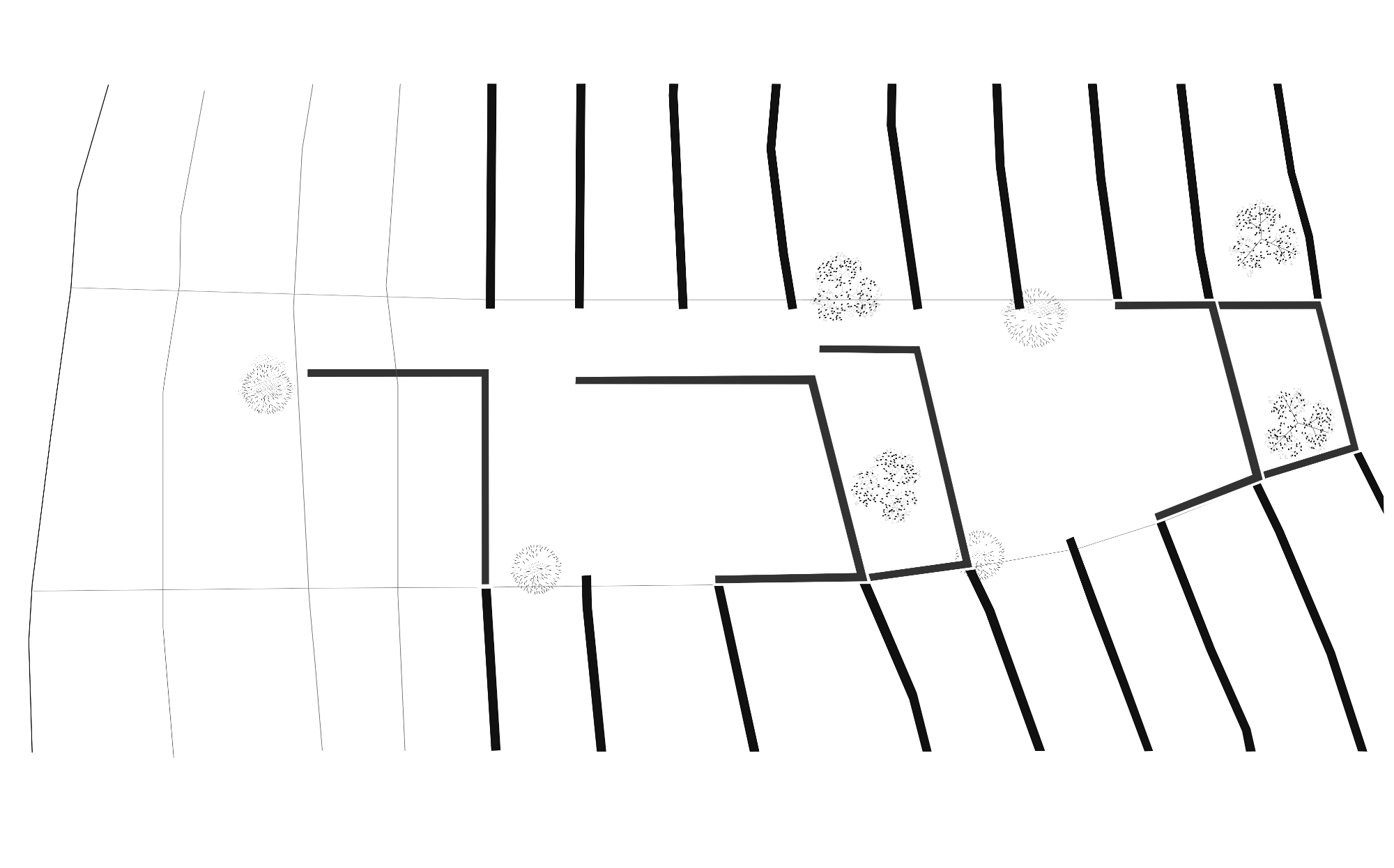
Nestled among olive trees and cacti opuntia Surrounded by native vegetation, the volumes were positioned to respect the original lines of the terrain and preserve the existing trees. The preservation of the vernacular dry stone walls reinforces the authentic character of the site and the harmony between the built environment and nature.
Program and Spatiality
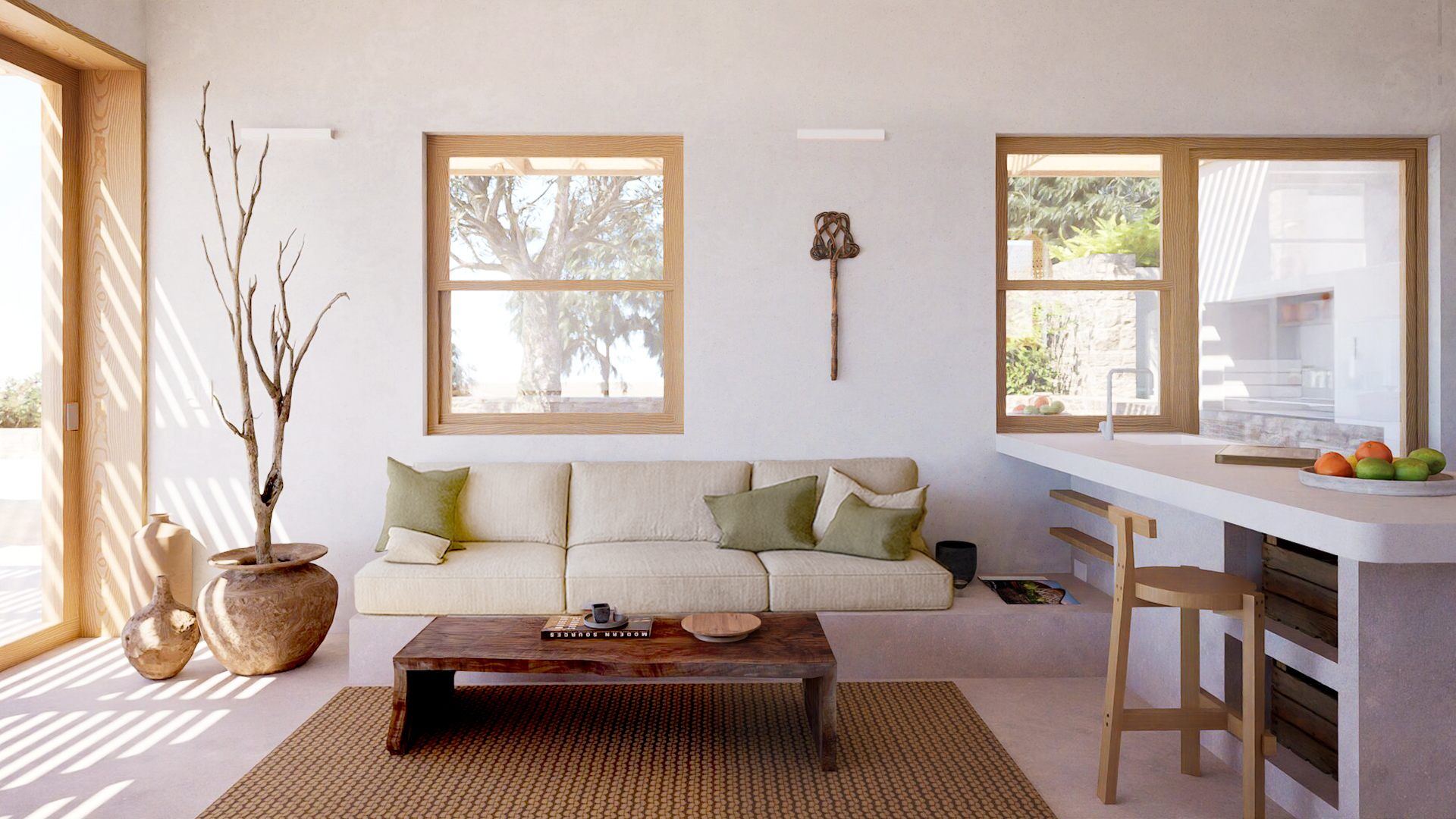
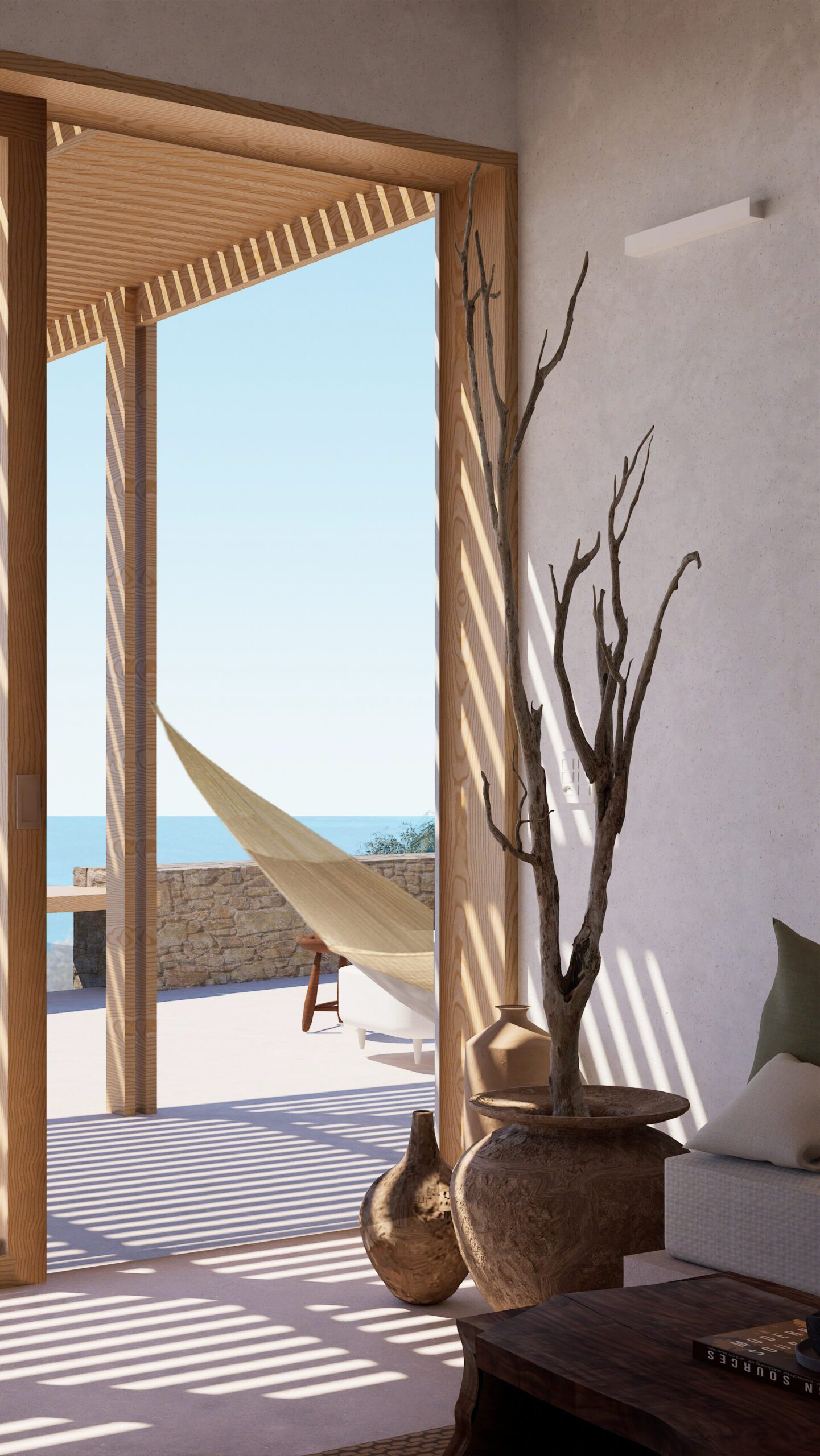
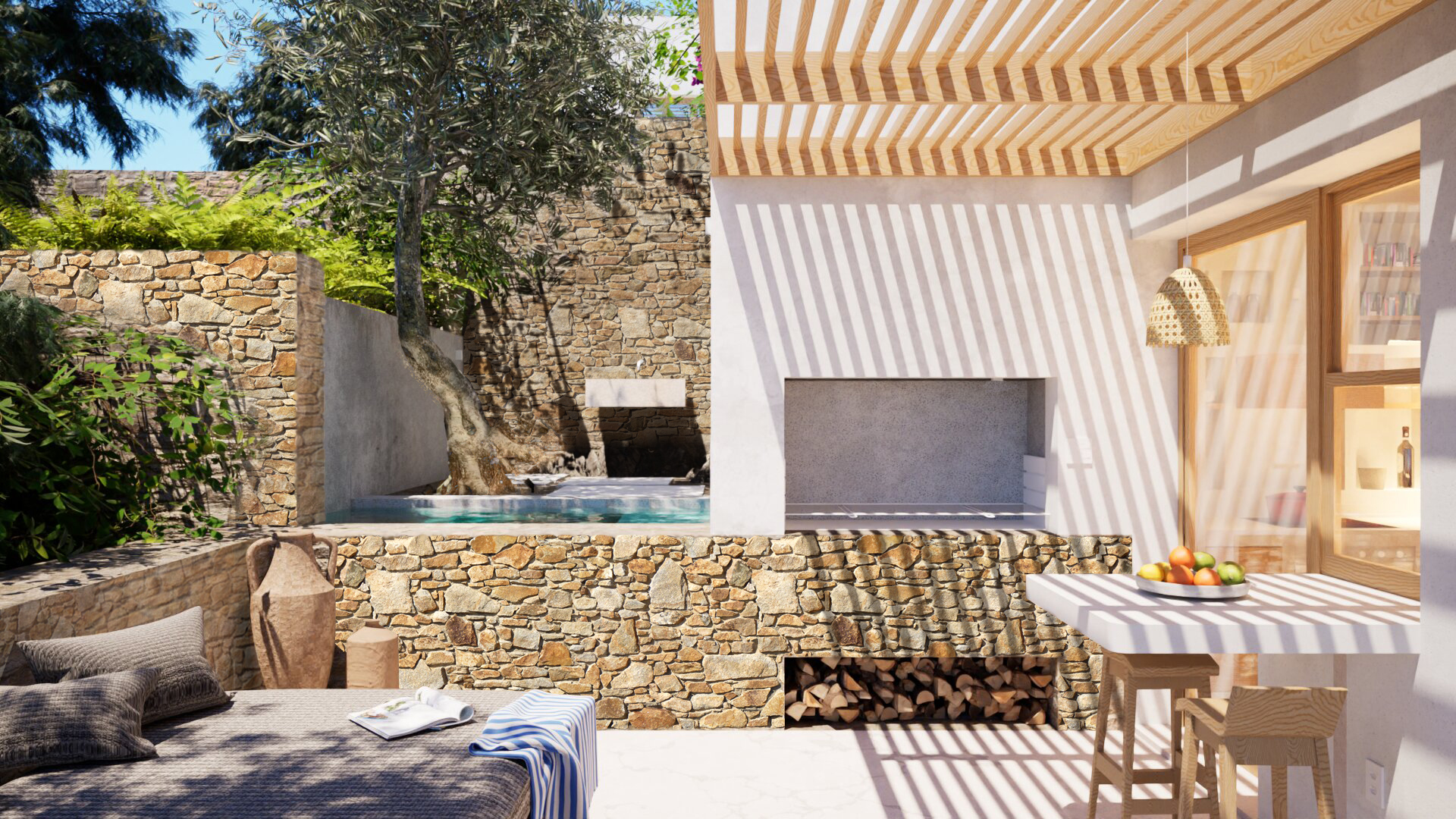
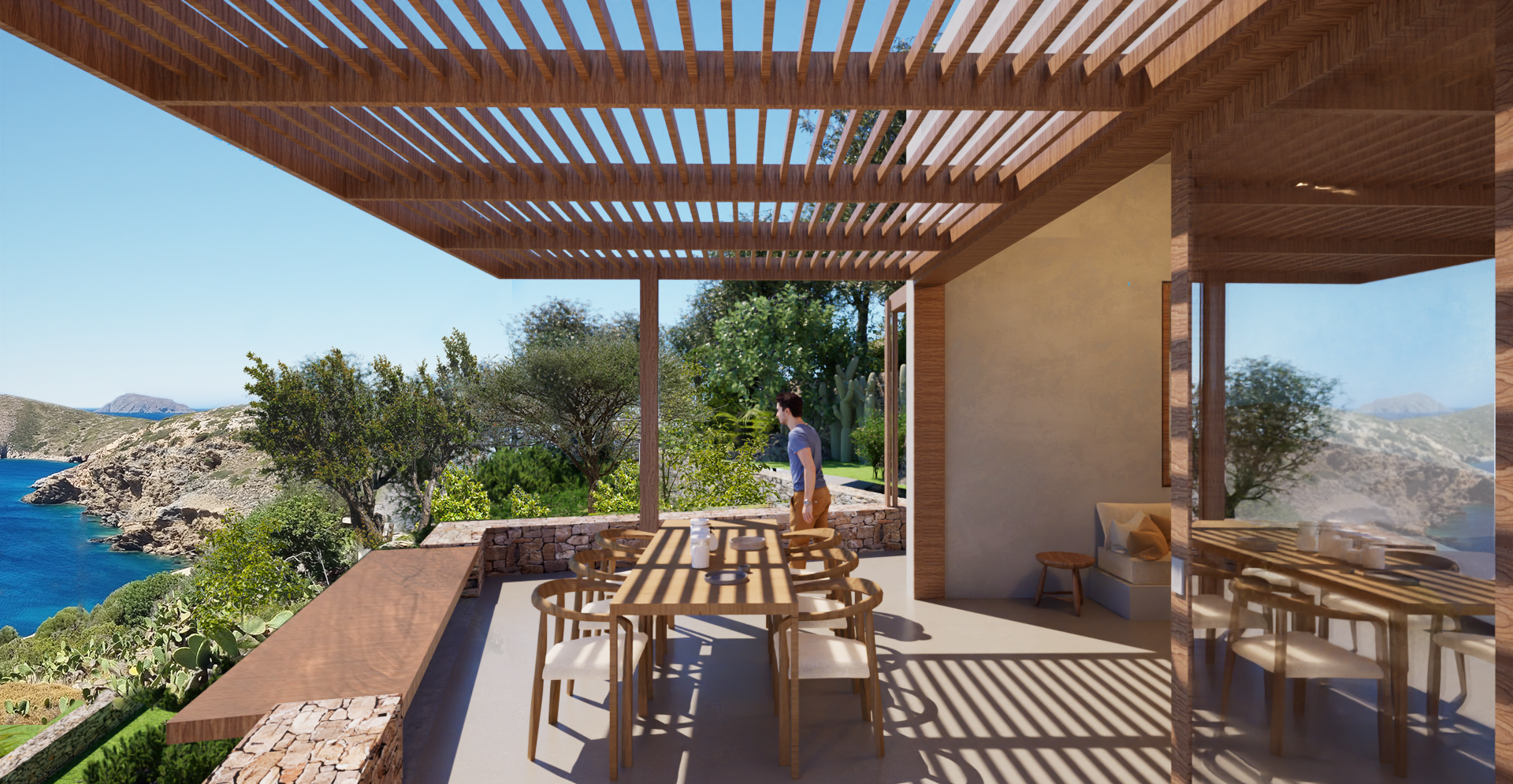
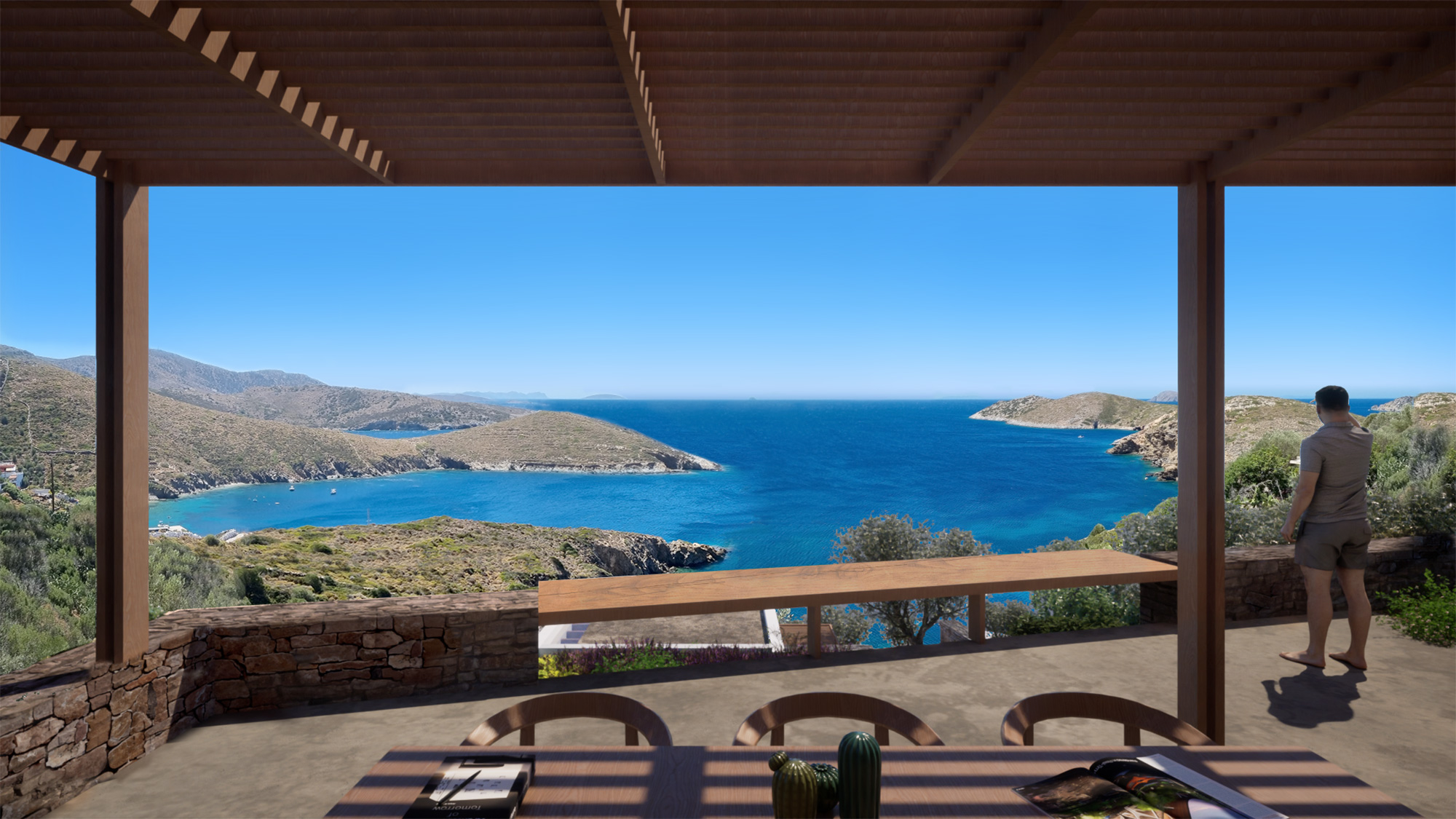
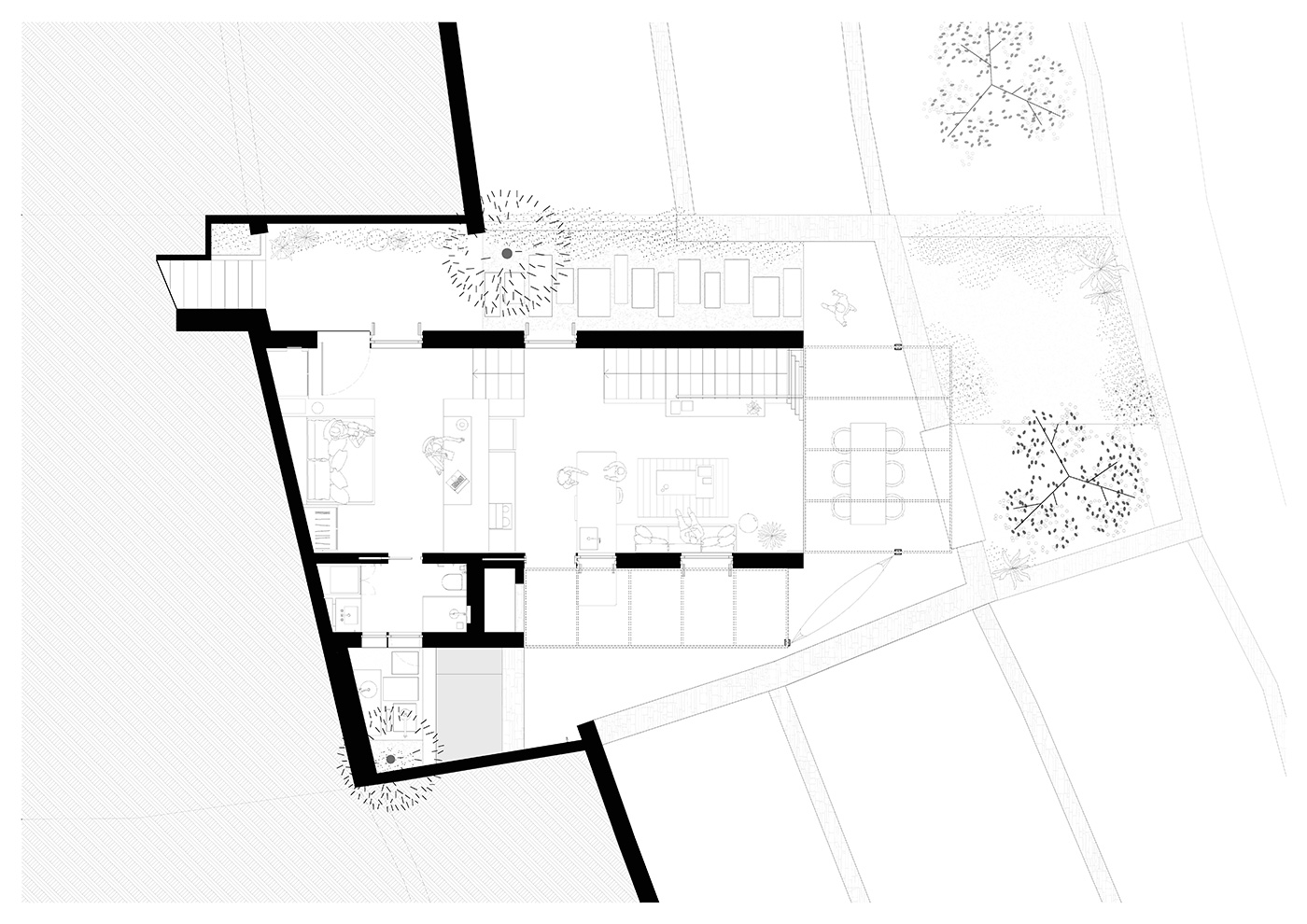
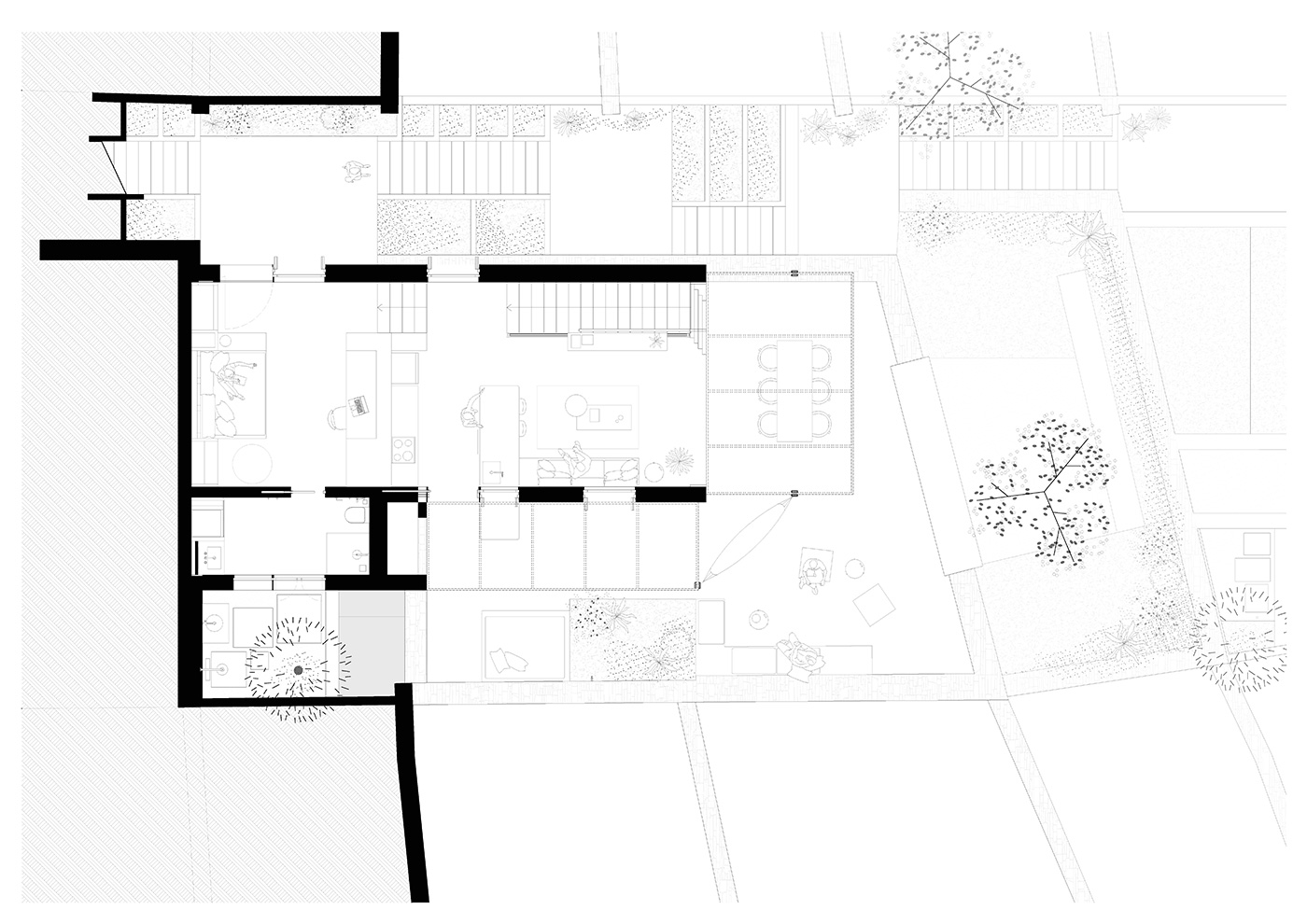
The transition between interior and exterior is emphasized by large glass panels in the social areas, which frame the sea views and provide access to the terraces. These outdoor spaces, equipped with seating and dining areas, function as a direct extension of the interior program.
The interior design project includes custom-made joinery, including wardrobes, sofas, and beds, giving unity to the visual language. Outdoor showers were strategically positioned to reinforce the sensory connection with the natural environment.
Access to the residence is via an elevated level (+90cm above the social area), providing an immediate visual axis of the horizon through the living room window. This upper level also houses a powder room/laundry room and a flexible, adaptable space. home office or guest dormitory.
Overcoming a slight difference in level, one accesses the social area (kitchen and living room), which benefits from a higher ceiling. The kitchen, articulated by a central island, connects directly to the outdoor barbecue area. The living room, through the full opening of the sliding doors, dissolves the physical boundaries with the terrace.
Atmosphere and Intimate Zoning
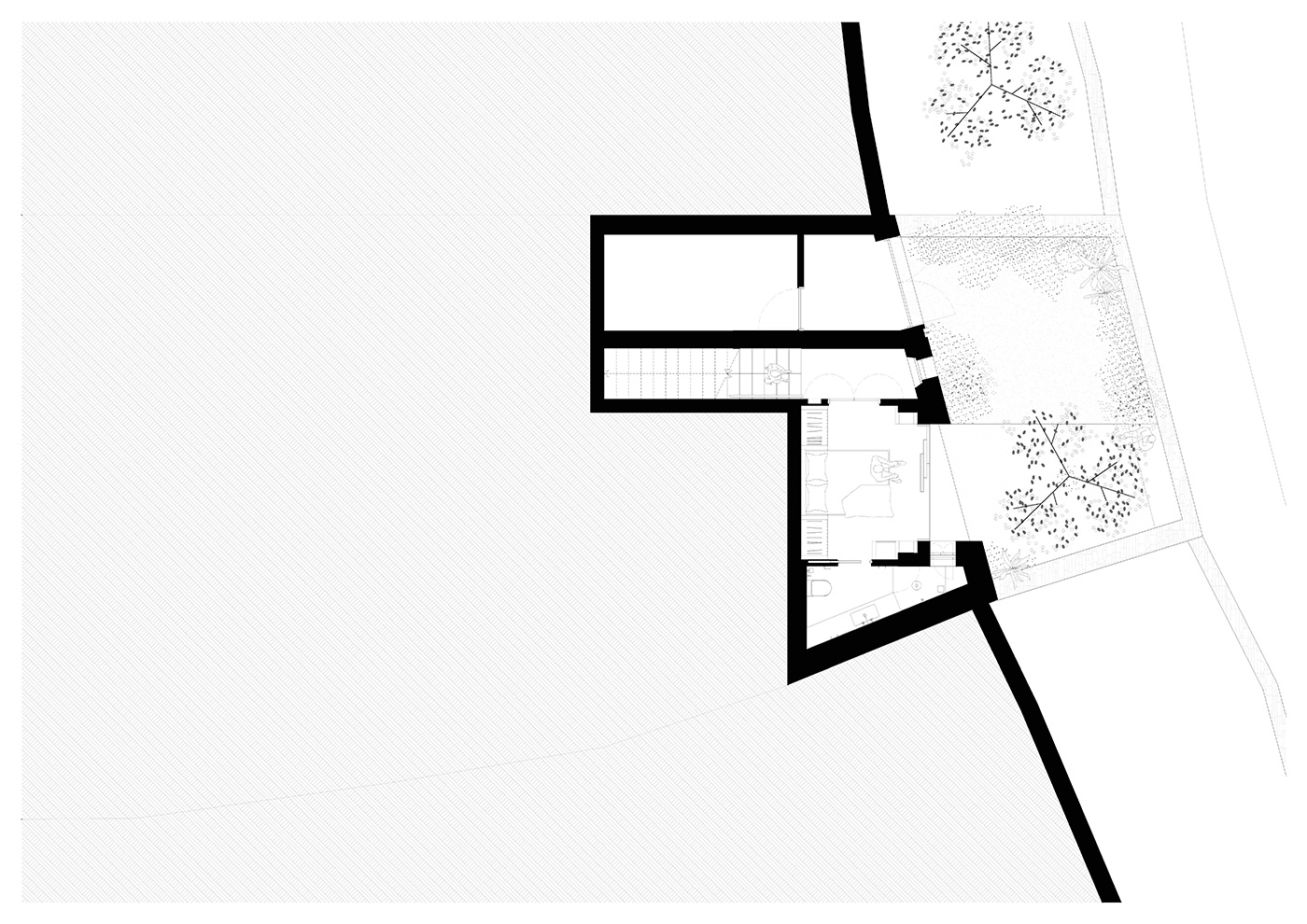
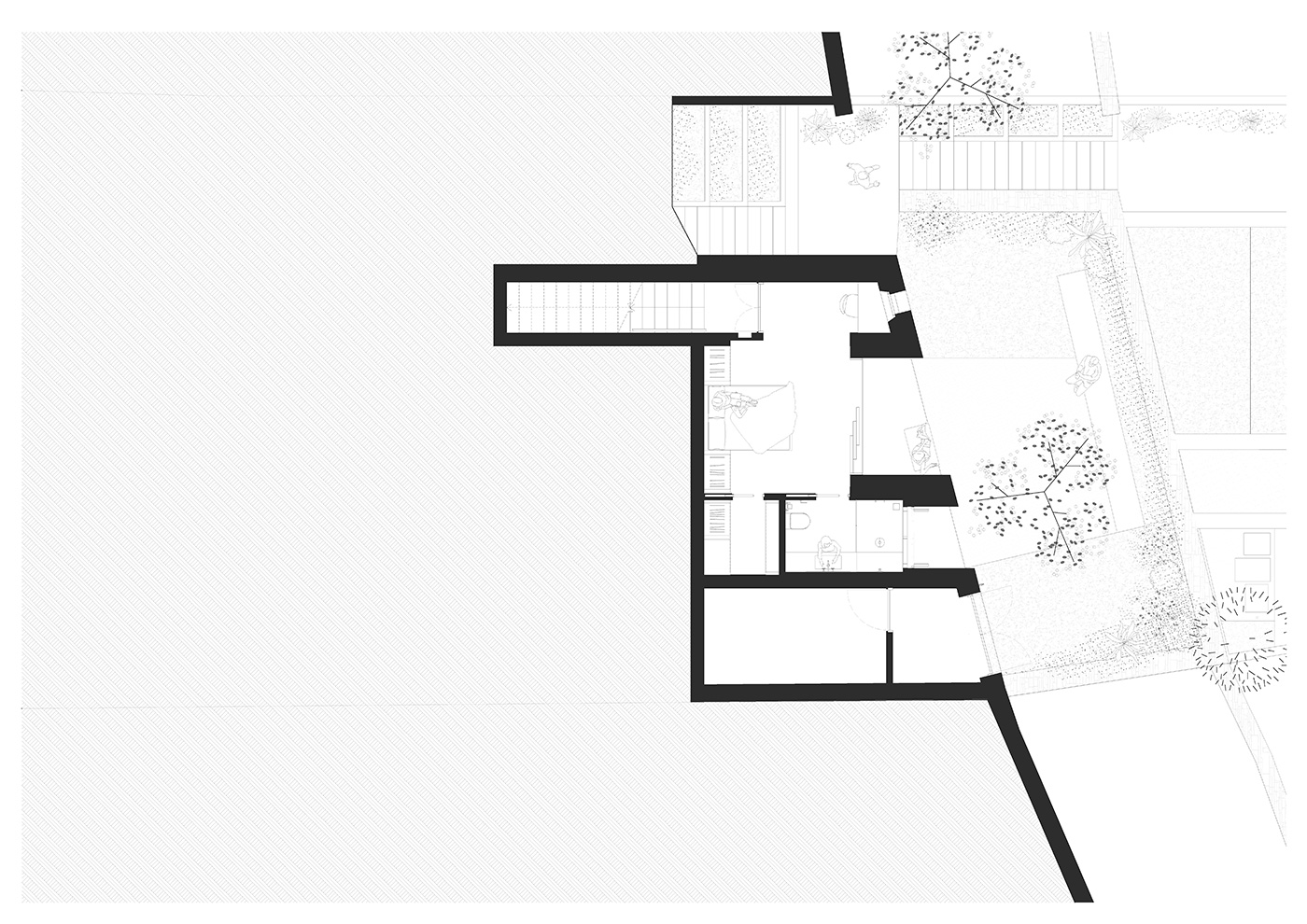
Vertical circulation to the private area proposes a change of atmosphere: a staircase with controlled lighting and darker tones creates a sensory transition before revealing the master suite, bathed in natural light. The suite features a walk-in closet, private bathroom, and exclusive access to a secluded garden.
Sustainability and Performance
Sustainability guides construction decisions, aiming for minimal environmental impact. Strategies include:
Materiality: Predominant use of local stone in the structure and cladding.
Resource Management: Rainwater harvesting system, local sewage treatment, and photovoltaic panels. Beneath the garden, a technical reservoir integrates the reuse system, reducing the demand for potable water.
Passive Thermal Comfort: The bioclimatic strategy combines the sizing of openings for cross ventilation with the use of green roofs, which increase thermal inertia and roof insulation. Ceiling fans complement the system, minimizing dependence on artificial climate control.